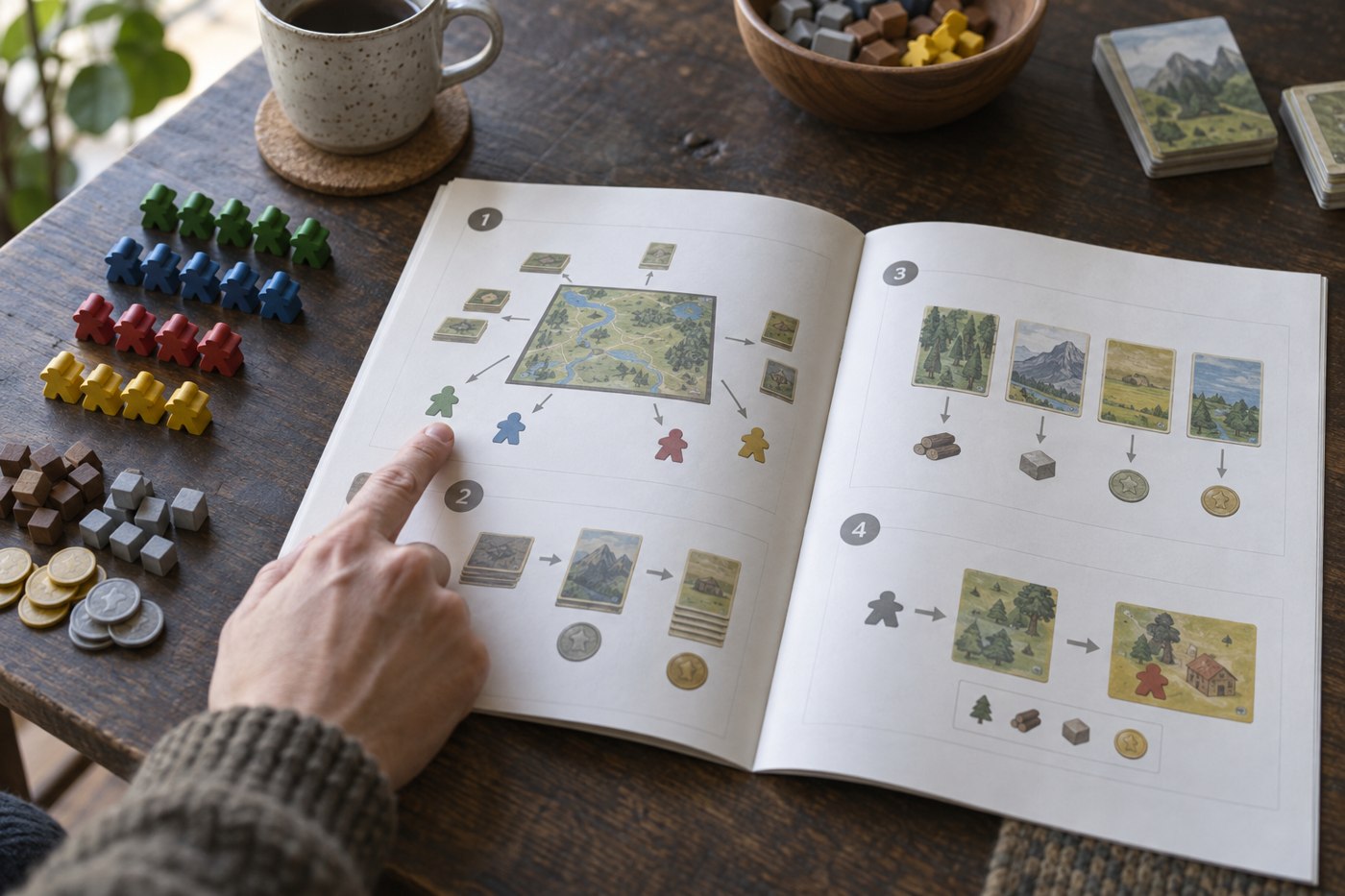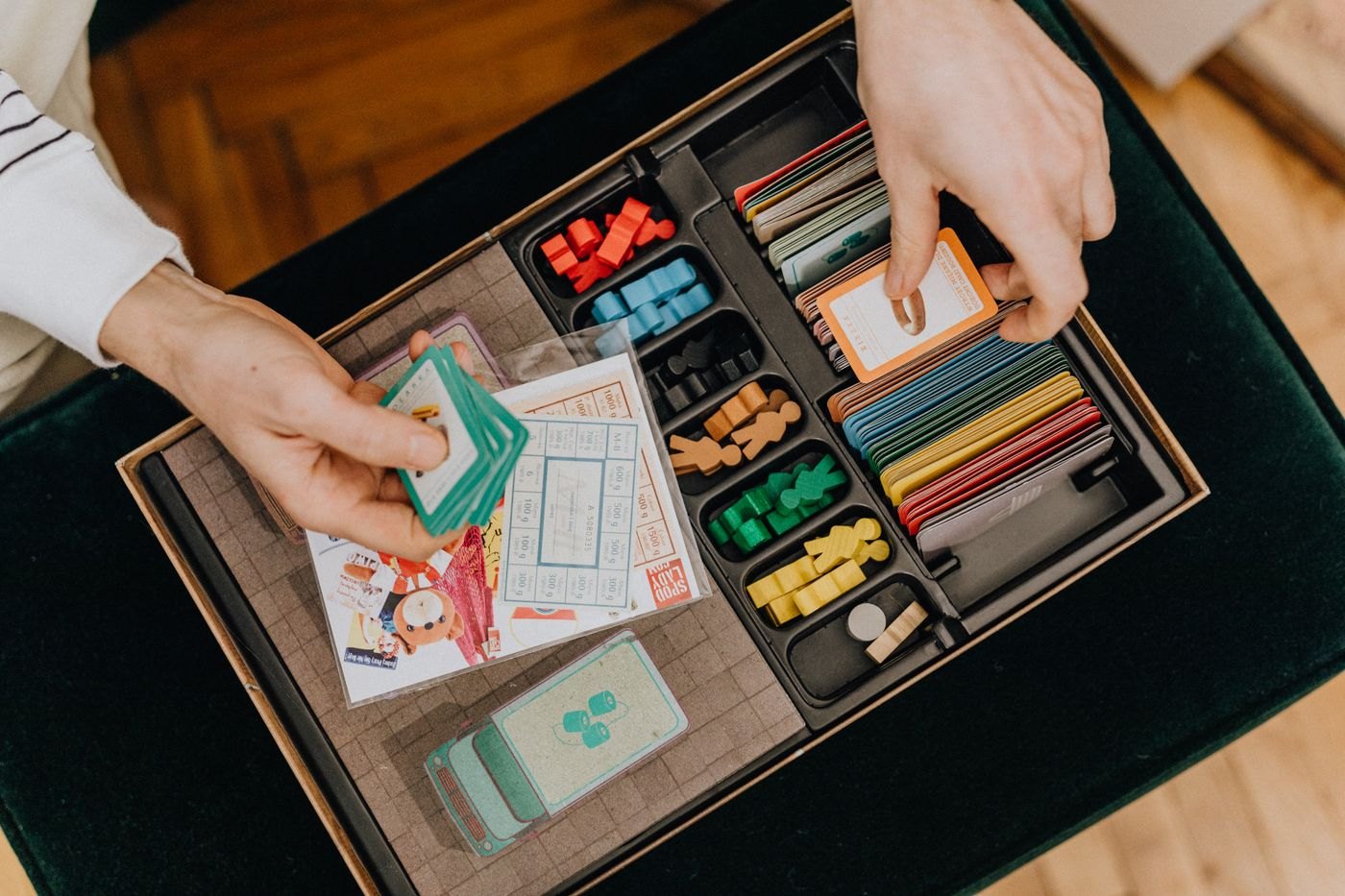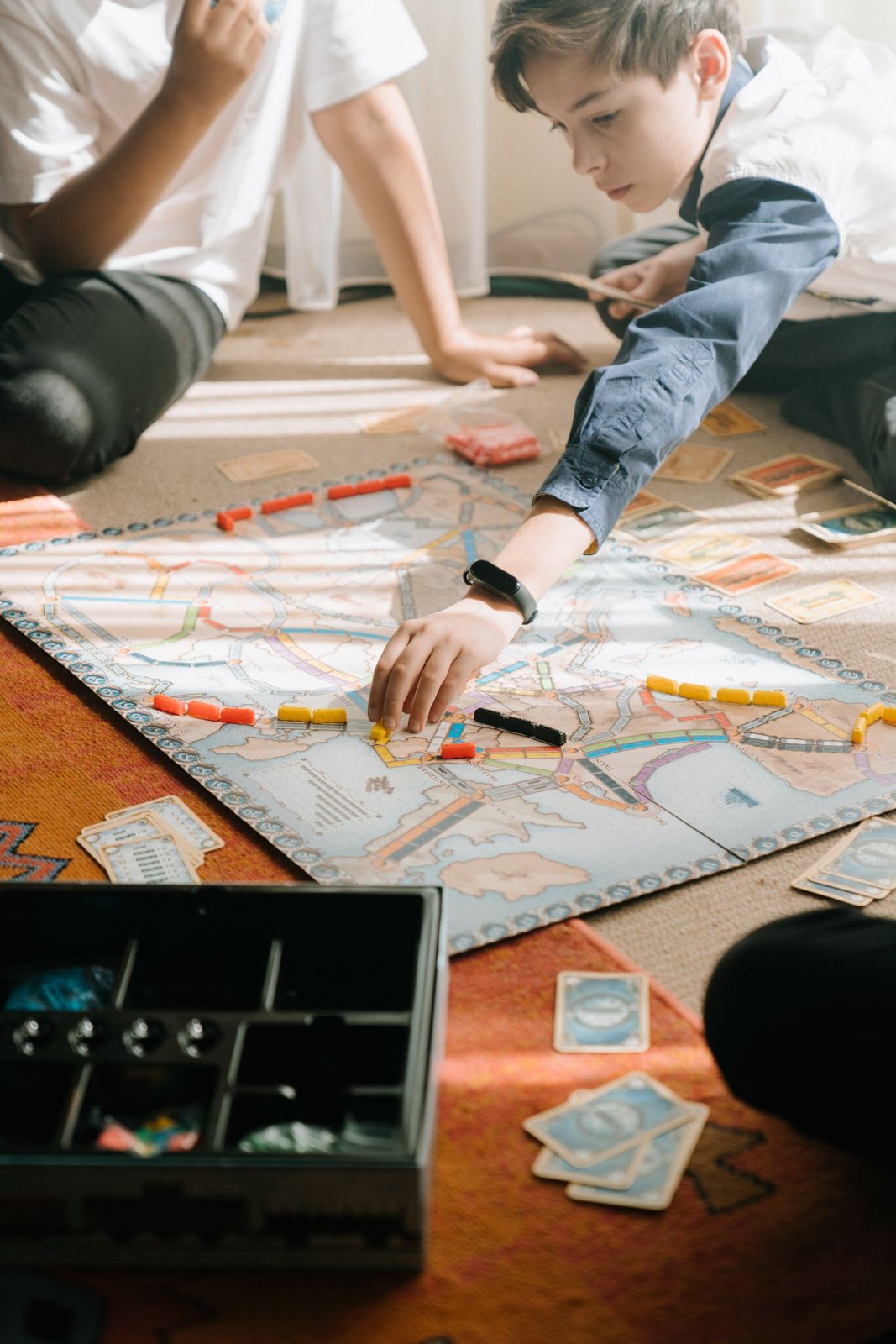
Give the rehearsal a specific purpose
Choose what the practice needs to show: paying for an action, resolving a contest, or moving through the round cleanup. You do not need to rehearse every possible card. Use an ordinary opening position and let each player try a legal move. Explain consequences as they occur, leaving room for questions.
A short demonstration is usually better than an entire throwaway game. If the group understands the sequence after a few turns, stop there. Continuing purely to reach a printed round boundary can spend attention without teaching anything new. Conversely, include cleanup if it changes what players will receive next round.
Agree on whether you will reset
Say clearly that the trial turns will be reset, or that the game will continue with generous corrections during the opening. Do not change the arrangement after somebody dislikes their result. Players make different decisions when they believe the consequences are temporary, so an unannounced decision to keep the position is unfair.
Before a planned reset, record the starting layout and separate cards drawn during the demonstration. Rebuild the opening according to the rules rather than simply moving pieces back by memory. If a shuffled deck must be randomised again, do so; knowledge of the demonstrated top cards can otherwise affect the real opening.
Know when a rehearsal creates problems
A mystery game may reveal an answer that cannot be forgotten. A campaign may instruct players to mark or remove materials. Check for a tutorial or approved introductory scenario before using those components in a practice. Do not open sealed information just to make a demonstration more interesting.
Some groups also prefer to learn by playing one complete first game with no restart. That can work when everyone understands that mistakes will occur and the session has enough time. Explain the essential decisions first and avoid treating the final score as a measure of ability. A learning game is still allowed to have a winner without becoming a verdict on its players.
For a rehearsal involving public choices, let players try different actions rather than all copying the teacher. Seeing two ordinary routes through the same turn can clarify that the demonstration was an example, not a prescribed opening. Keep the comparison short enough that everyone still gets to operate their own pieces.