Separate permanent additions from optional modules
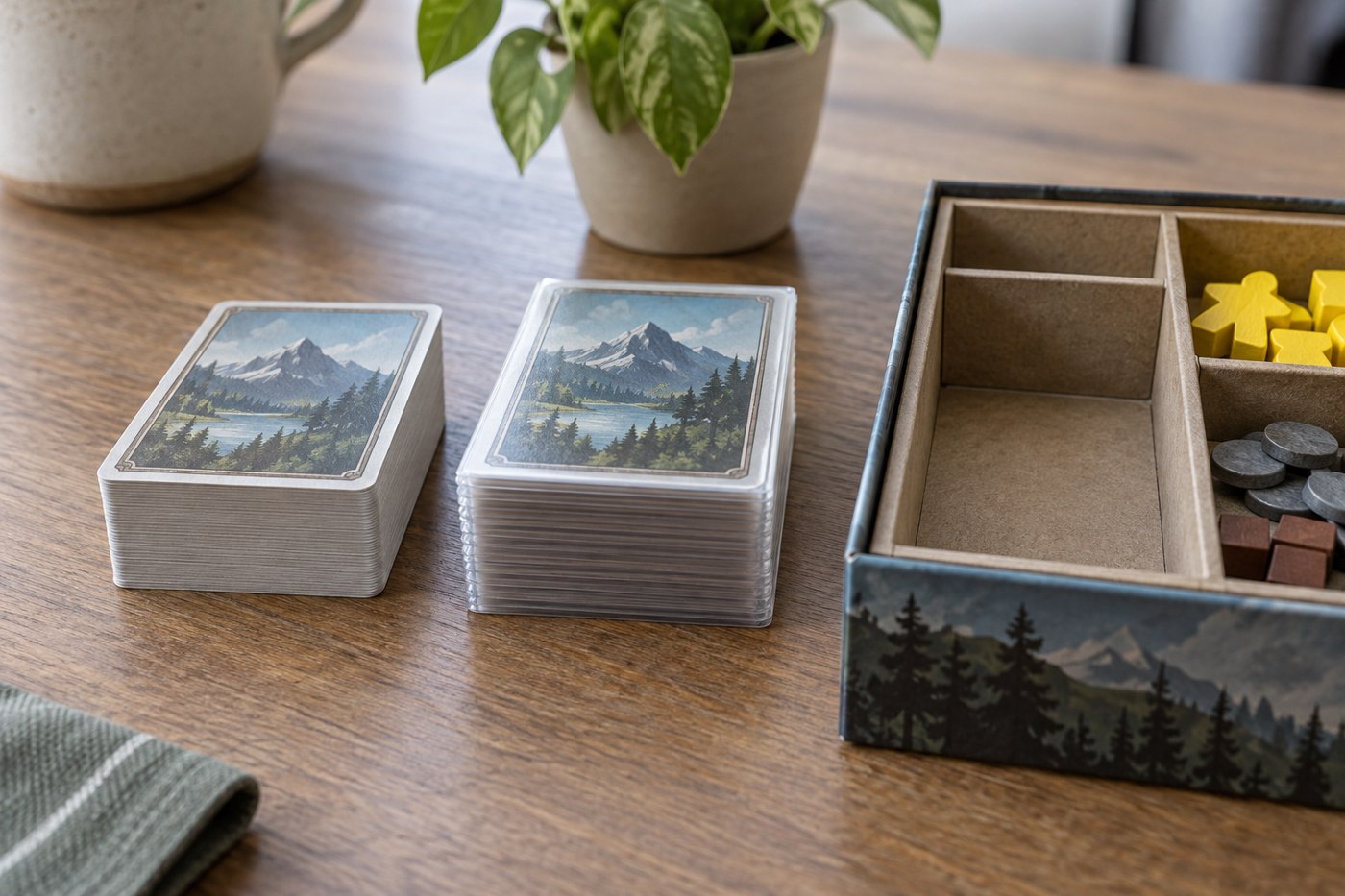
Read each expansion's integration instructions. Some components are intended to join the base game permanently; others belong only in sessions using a particular module. Do not merge decks simply because their backs match. A card may have an expansion symbol or setup condition that matters even when it looks familiar.
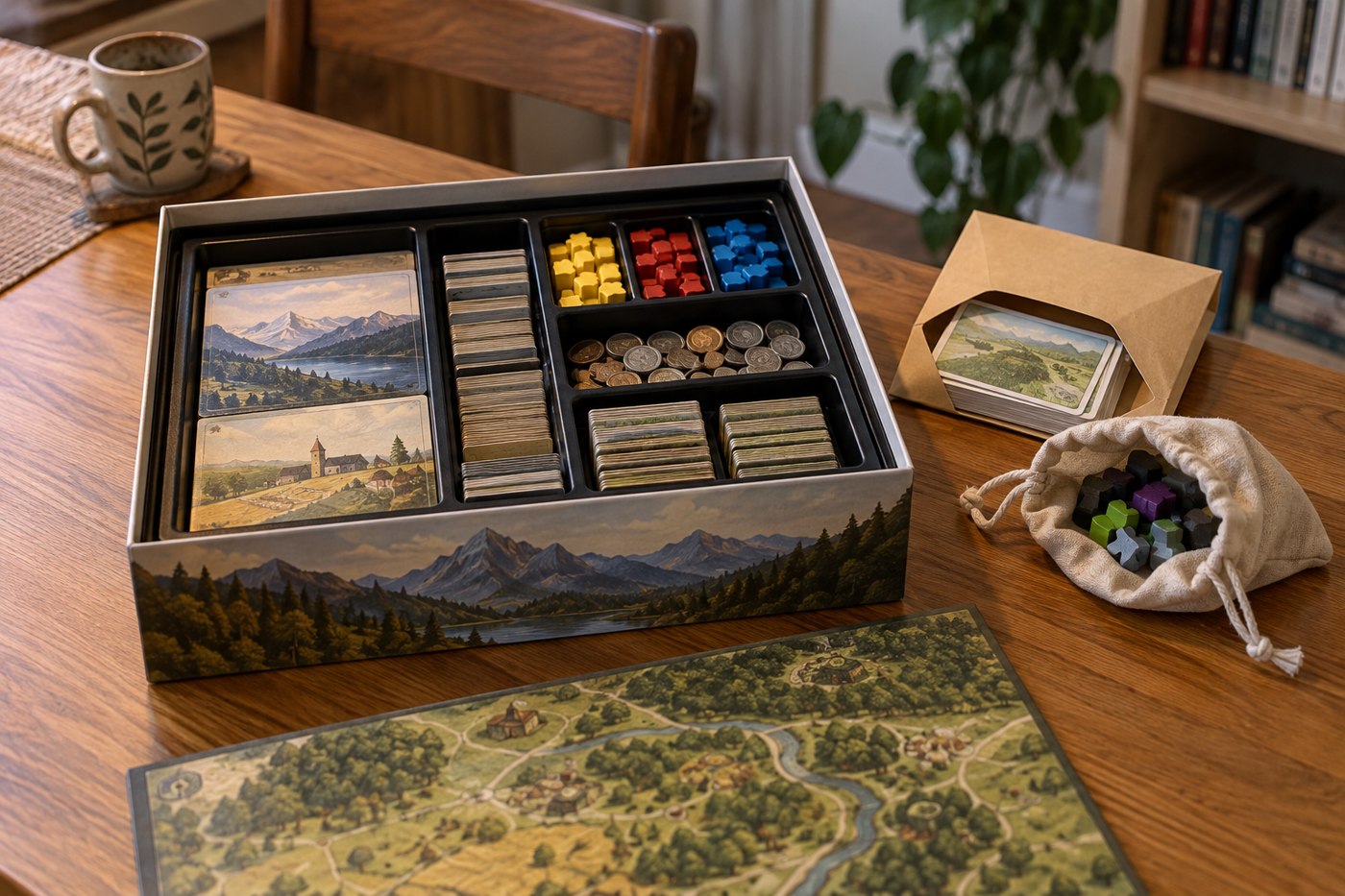
Keep optional modules in clearly labelled groups. Include their setup cards or small reference sheets with the relevant pieces when practical. A module that requires three bags from different boxes is easy to assemble incorrectly. Make the storage arrangement reflect what must come out together.
Use labels that survive a gap between sessions
Choose names that match the rulebook rather than private shorthand that only makes sense today. Record the expansion name, module name and any important player-count restriction on a bag label or divider. Avoid adhesive labels directly on game components unless the publisher's instructions specifically call for them.
If different languages or editions are involved, check compatibility before combining contents. Similar titles do not guarantee interchangeable components. Keep enough identification with the stored material to tell which version it belongs to later, especially if you might lend or sell part of the collection.
Decide what one box really needs to contain
A single large box is useful when it stays on a shelf and the full collection travels together. Separate boxes can be easier when you frequently take only the base game to another house. Consider carrying weight, shelf height and the space needed to unpack, not just the reduction in box count.
Do not compress boards, rulebooks or cards to achieve a single-box goal. If the lid no longer closes comfortably, choose a different arrangement. Keep heavy pieces from pressing against delicate cards during transport, and check that containers remain closed when the box changes orientation.
Preserve the base game setup
Make it possible to identify the base game components without relying on memory. Dividers, labelled bags and a short inventory note can help. If expansion material is designed to stay mixed in, record that fact so a future player does not waste time trying to remove components unnecessarily.
For modular expansions, include a brief setup note describing which bags or decks are needed. Refer to the appropriate rulebook page rather than copying a whole rule system into a homemade checklist. The note should help locate components; the official rules remain the source for how those components work.
Store campaign material with its state intact
Some expansions include campaign progress, sealed content or altered decks. Keep these apart from the general supply if the game requires that separation. Mark a container with the campaign or group name rather than revealing hidden information on the outside. A convenient shared box should not expose spoilers during ordinary setup.
Keep unused material distinguishable from material that has been removed from play. Those categories may have very different meanings. Follow the game's instructions for permanent changes, and avoid assuming that every campaign component can safely return to a common pool at the end of a session.
Check the arrangement after a mixed session
Packing after a game with several modules is the moment when components are most likely to drift into the wrong group. Leave a little time to sort while everyone still remembers what was used. Compare against a component list if a module has many similar tokens or cards.
Update labels when the collection changes. A compartment marked “all cards” becomes misleading after the next expansion arrives. Storage is a small system that needs to remain understandable, not a one-time puzzle that only the original organiser can solve.