Look at what opponents can see
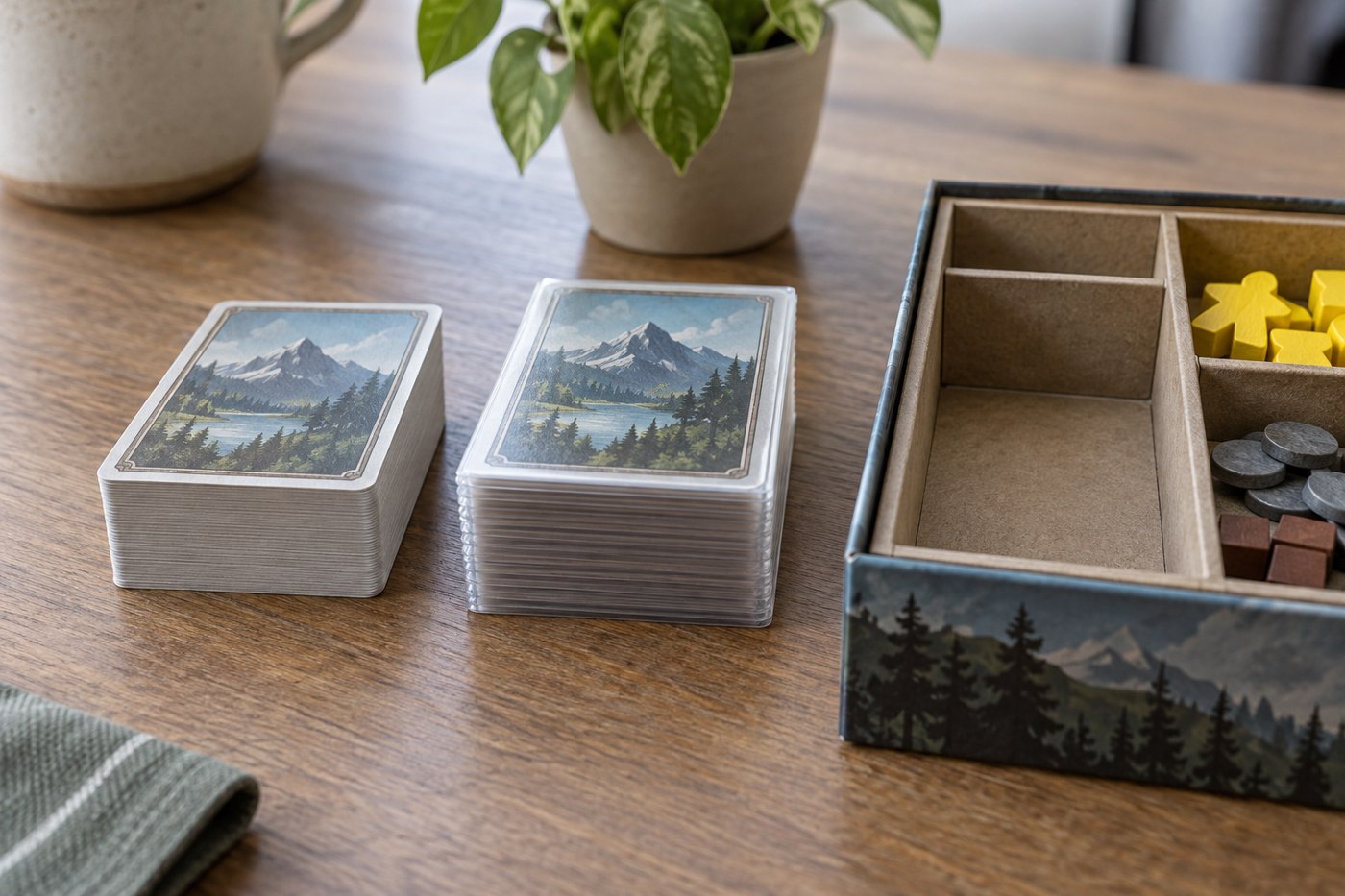
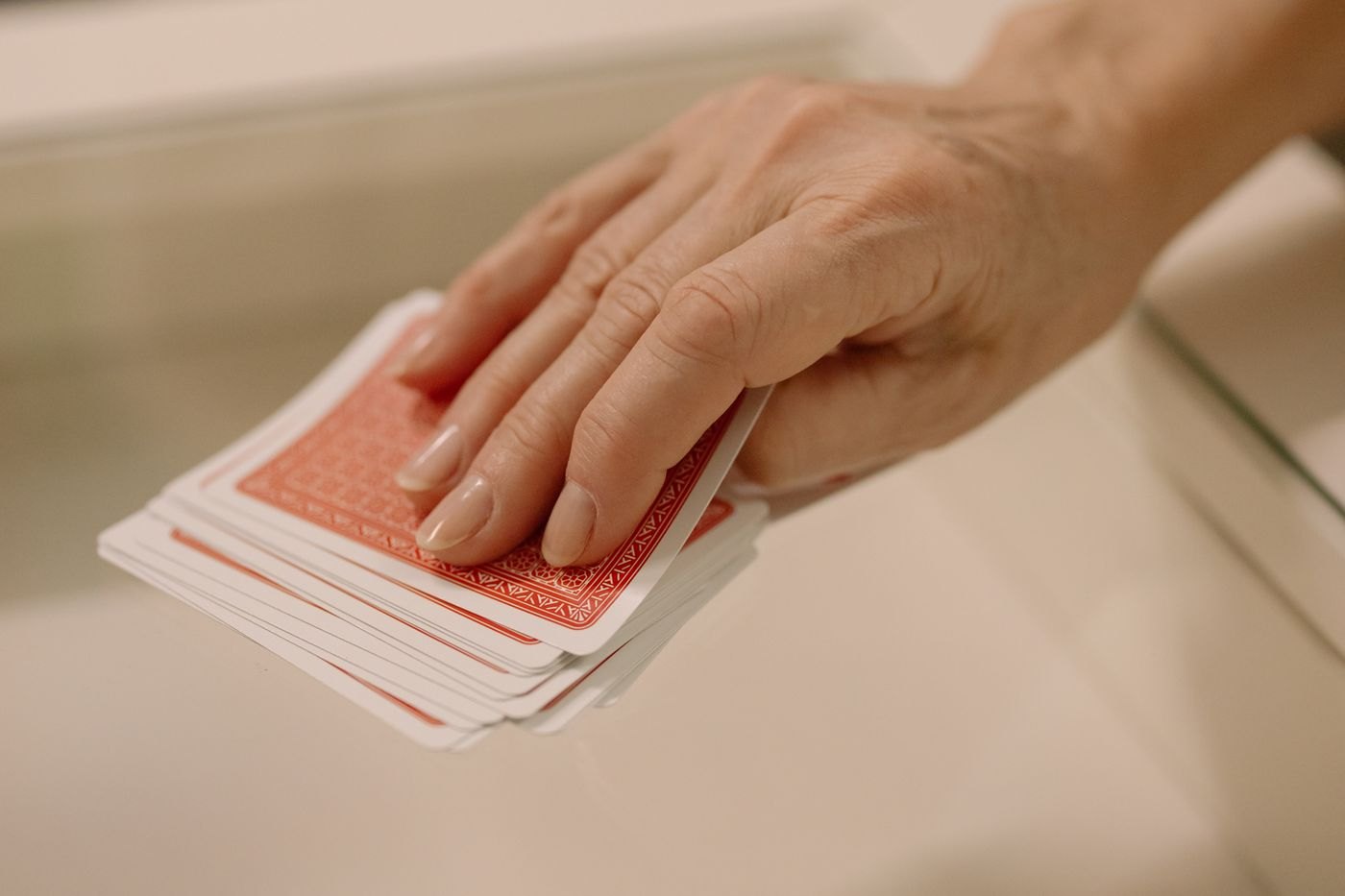
Place the cards face down under normal table lighting. Check for bent corners, pale edges, surface scratches and differences in how cards lie flat. A mark that is easy to recognise across the table matters more than a tiny imperfection visible only when you inspect the face closely.
Pay particular attention to cards shuffled into a hidden deck. A worn reference card that stays face up causes a different problem from a marked event card. Sort your response by how the component is used rather than treating every blemish as equally urgent.
Use a consistent cover
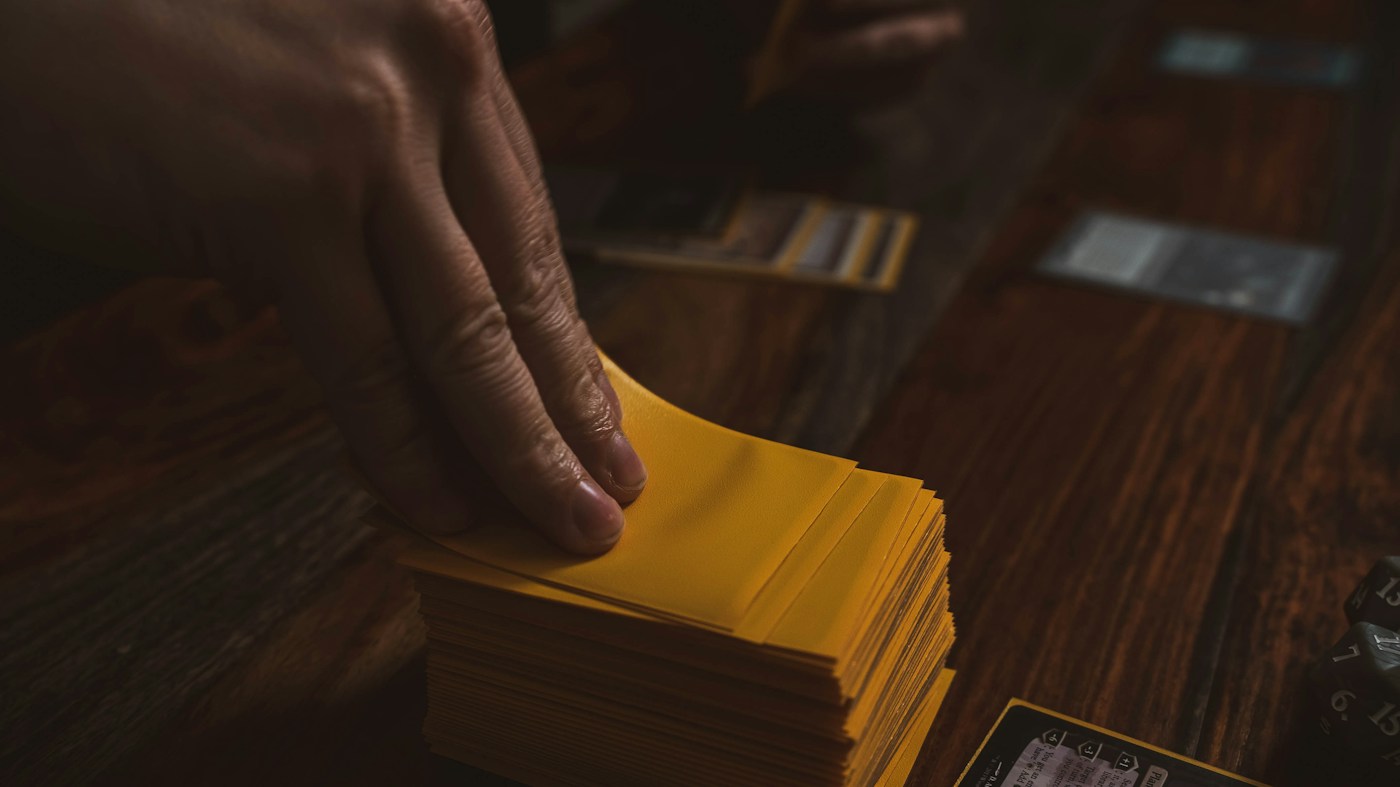
Opaque-backed sleeves can conceal differences in card backs when their size and design fit the game. Sleeve the relevant hidden deck consistently. A single opaque sleeve among clear sleeves tells everyone exactly where the unusual card sits. Check that the chosen sleeves do not obscure information printed near the card edges.
Sleeves themselves wear. Replace damaged ones from a matching batch when possible, and compare their backs before returning the deck to play. Different finishes, fading or manufacturing variations can make an otherwise identical replacement noticeable. If a match is poor, resleeving the whole affected deck may be clearer than mixing obvious variants.
Avoid repairs that change handling
Tape, adhesive patches and thick labels can change a card's thickness, shape or feel. They may also damage the surface when removed. Do not assume a repair is harmless because it sits on the back. A card can become identifiable during shuffling even when nobody sees its face.
For a seriously damaged component, check the publisher's replacement process. Keep the game title, edition and card identifier available so you can describe the part accurately. Availability varies; a request does not guarantee that a replacement exists. Agree any temporary substitute with the group before play and preserve hidden information as far as possible.
Reduce the repeated source of wear
Watch how the deck moves during a session. A tight insert, rough table edge or repeated forceful bending can keep damaging the same area. Changing that handling habit may help more than replacing protection repeatedly. Store cards flat in a compartment that supports them without compressing their corners.
When a game uses only part of a deck each session, avoid shuffling unused reference material into it unnecessarily. Keep functionally separate cards organised so that setup does not expose every component to extra handling. Follow the game's instructions whenever deck order or separation has a rules purpose.