Complete the final resolution
Read the ending instructions fully before sorting components. Apply any required final scoring, achievements or campaign-log entries. Some conclusions refer to earlier decisions, so keep the record available until the resolution is complete.
Give the group space to discuss the experience before immediately dismantling it. People may want to compare favourite moments or look at information the rules now permit them to reveal. Check those permissions rather than assuming the ending opens every sealed item in the box.
Decide what record to preserve
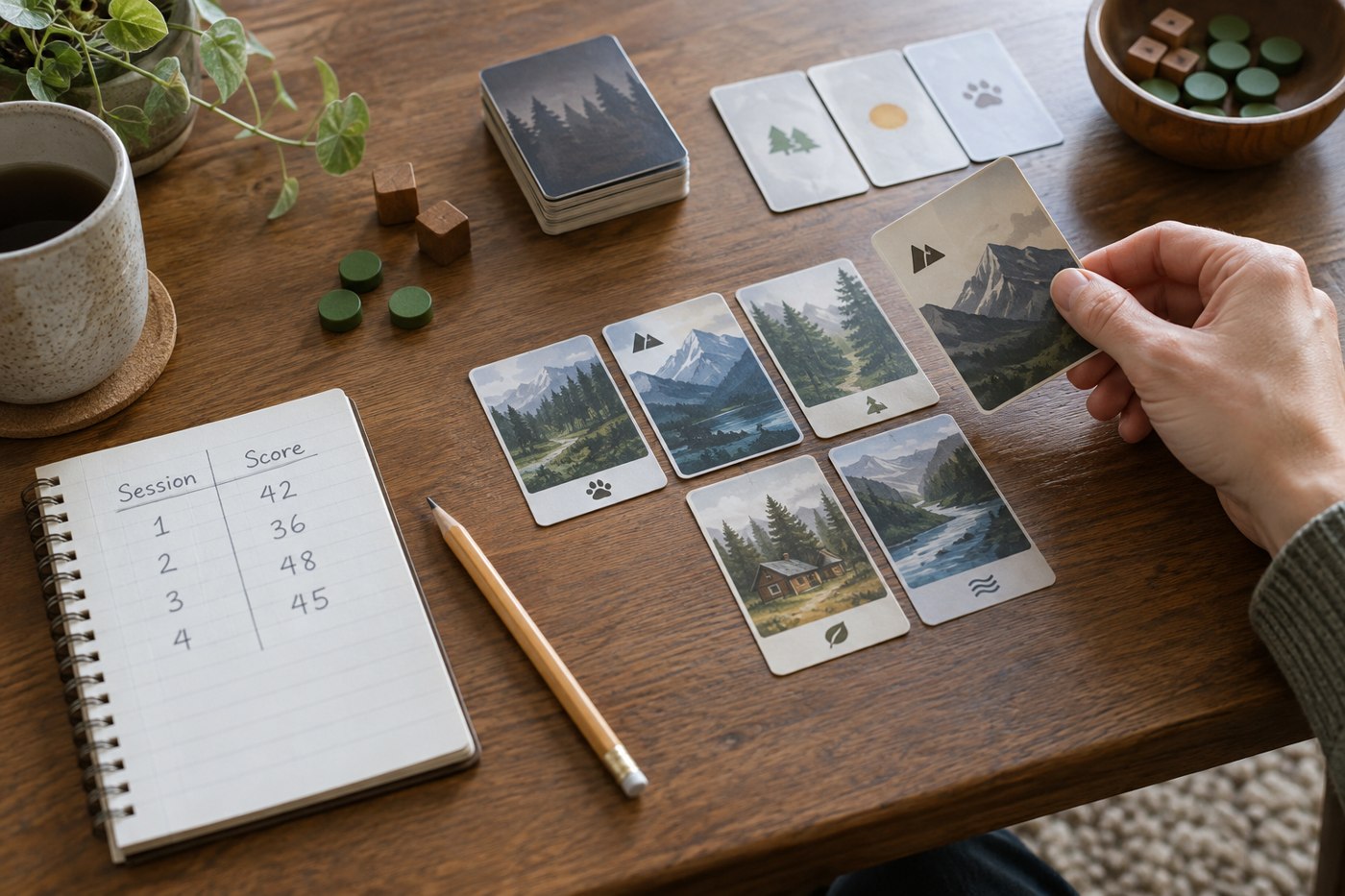
Keep the final campaign sheet, a short summary or a few appropriate photographs if they matter to the group. You do not need to preserve every temporary hand or token position after the game is complete. Separate a keepsake from a state that is needed for continued play.
Ask before sharing photographs that reveal story content or private player notes. Label spoiler-sensitive records clearly. If the group might lend the game to someone new, store those records away from the materials that a new player will open first.
Check whether resetting is supported
Read the publisher's reset or replay guidance for your edition. Some campaigns use reusable components, while legacy designs may permanently alter cards, boards or other materials. Do not peel stickers, erase printed surfaces or discard altered pieces in an attempt to improvise a fresh copy.
If replacement or reset materials exist, verify what they cover before assuming they restore everything. A pack of new sheets may not replace a modified board or destroyed cards. Keep the distinction clear when deciding whether another campaign is practical.
Sort by the next intended use
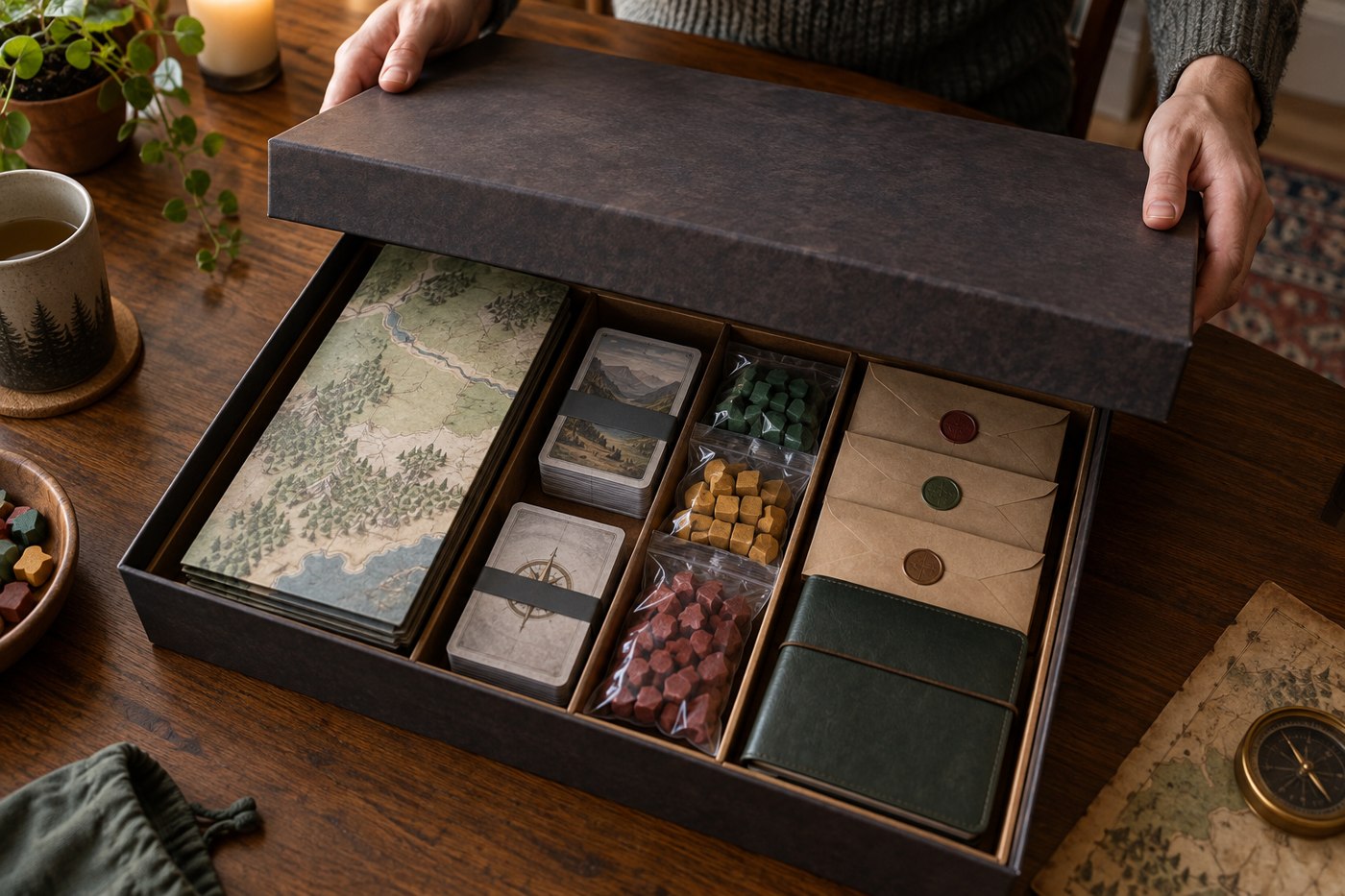
For a supported reset, return cards and tokens to the specified starting groups, remove unlocked additions where instructed and prepare a fresh record. Use the component list and setup guide to check the result. Do not rely only on memory of how the box looked before several months of play.
If preserving the completed campaign, label it plainly and keep its persistent components together. If the game supports post-campaign sessions, note the relevant rules and current state. Avoid a halfway arrangement that looks reset but still contains modified decks or progress from the old group.
Be clear when lending or passing it on
Describe the condition honestly: completed campaign, reset according to the rules, marked sheets, altered components or unopened content. A future player needs that information to know what experience is possible. Do not describe a partly restored legacy game as unused simply because the box is tidy.
Remove personal contact information from notes you do not intend to share, while preserving game-state information needed by the next player. Keep important publisher references and any legitimate reset instructions with the game. Avoid adding spoiler-heavy commentary to the top of the box.
Close the practical loop
Check for components stored outside the main box, borrowed accessories and digital records on a shared device. Return items to their owners and label archived files so they will not be mistaken for a current save.
Finally, decide whether the group wants another campaign, a break or standalone games for a while. Completing one long commitment does not require immediately starting another. A clean finish leaves both the collection and the group's plans easier to understand.