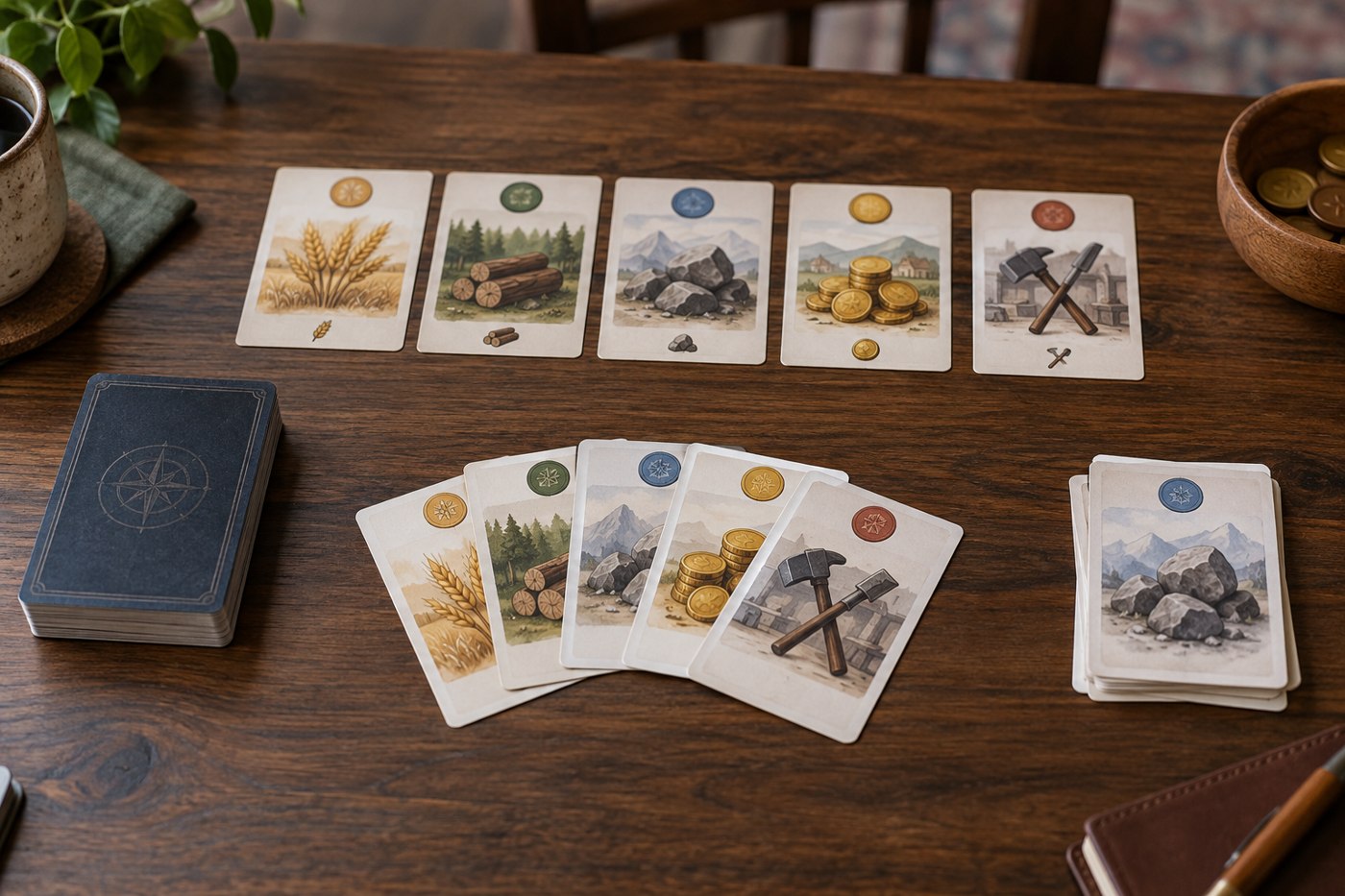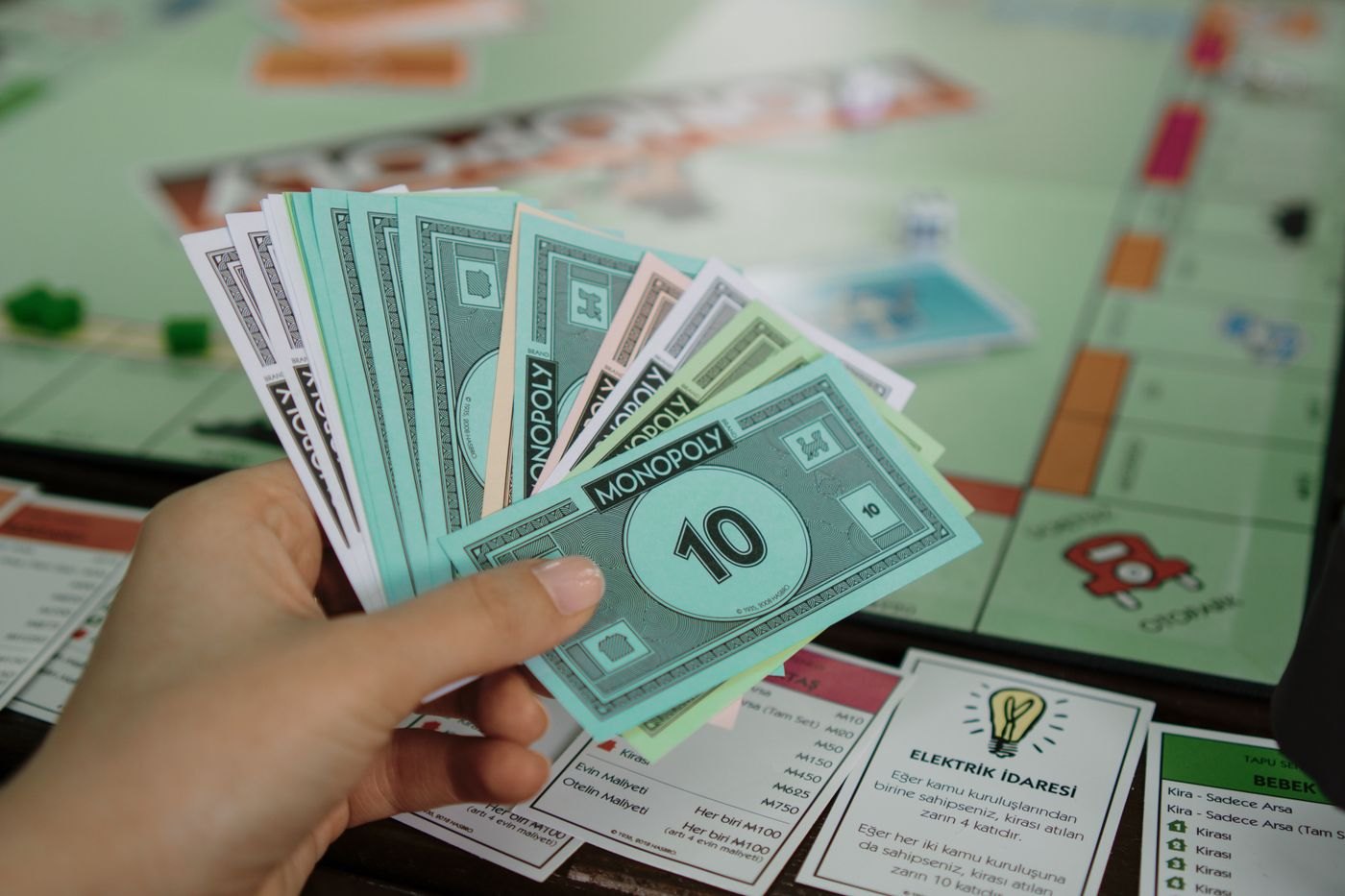
Identify the legal bargaining material
A game may allow trading resources, offering support, promising movement or exchanging information. It may forbid some of those things or allow them only during a particular phase. Read the list of permitted exchanges rather than assuming anything players can physically hand over is tradable.
Keep deals inside the game. Food, money outside the game, future favours and pressure based on personal relationships create obligations the design did not intend. A player should be able to reject an offer without defending their friendship or explaining private circumstances.
Distinguish immediate exchanges from future promises
An immediate trade can often be completed and verified as soon as both sides agree. A promise to help next round is different because the relevant action has not happened yet. Some games make such promises binding; others deliberately allow betrayal. Neither convention should be assumed.
GMT's Here I Stand rules provide one example of a system distinguishing implemented changes from promises about later actions. That is evidence that the distinction matters, not a rule for all negotiation games. Check the title and edition on your table, including any special rules for particular deals.
When teaching, give a concrete example of each permitted type. Explain whether a player may promise an action they later become unable to perform, whether conditions can be attached and what happens if a legal agreement is forgotten. Clarify procedure before a valuable exchange occurs.
Make offers specific enough to understand
State what each player gives, when it happens and any condition that must be satisfied. 'Help me and I will help you later' leaves too much open to interpretation. An offer to exchange one resource now for a defined action during the next negotiation phase is easier to evaluate, if that arrangement is legal.
Repeat the final terms before exchanging pieces. This is especially useful when several offers overlap or players use different first languages. Do not treat a question about an offer as acceptance. Both participants should clearly agree at the commitment point required by the rules.
Give everyone room to participate
Fast, loud bargaining can crowd out players who need a moment to calculate or formulate an offer. Let a person finish speaking and make sure side conversations do not prevent them from hearing a proposal addressed to them. A short discussion window can help when the rules provide one, but do not add an unexpected timer midgame.
A player may choose not to negotiate at a particular moment. Do not interpret silence as permission to move their pieces or spend their resources. Ask directly when their participation is necessary, then accept a clear refusal. Negotiation includes the ability to walk away from an unattractive deal.
Private discussion may be permitted, restricted to a phase or prohibited altogether. Check before stepping away from the table with another player. If a discussion has a time limit, let all participants know when it begins and ends. A private channel should not give one pair unlimited extra bargaining time while the rest of the group waits without information.
Keep deception within the agreed scope
A game may permit bluffing about intentions or hidden information while still requiring truthful statements about public rules. Lying about what a card legally does is different from concealing why you want it. Make that distinction clear, especially when newcomers rely on others to explain the system.
If broken promises are part of play, discuss whether the group actually wants that experience tonight. Consent to a game with betrayal does not mean every personal remark becomes acceptable. Keep criticism about in-game actions, and avoid using a past game's betrayal as a reason to pressure someone in an unrelated setting.
Resolve disagreements with the text
When terms are disputed, pause before changing the board further. Identify what was agreed and compare it with the relevant rule. If the agreement itself was vague, acknowledge that rather than inventing certainty. Use a consistent resolution acceptable to the table and make future offers more explicit.
After the game, a short discussion can help distinguish a dramatic in-game reversal from an unpleasant misunderstanding. Ask what communication would make the next session clearer. The aim is not to remove negotiation's uncertainty, but to keep that uncertainty in strategies and promises rather than in basic permissions.