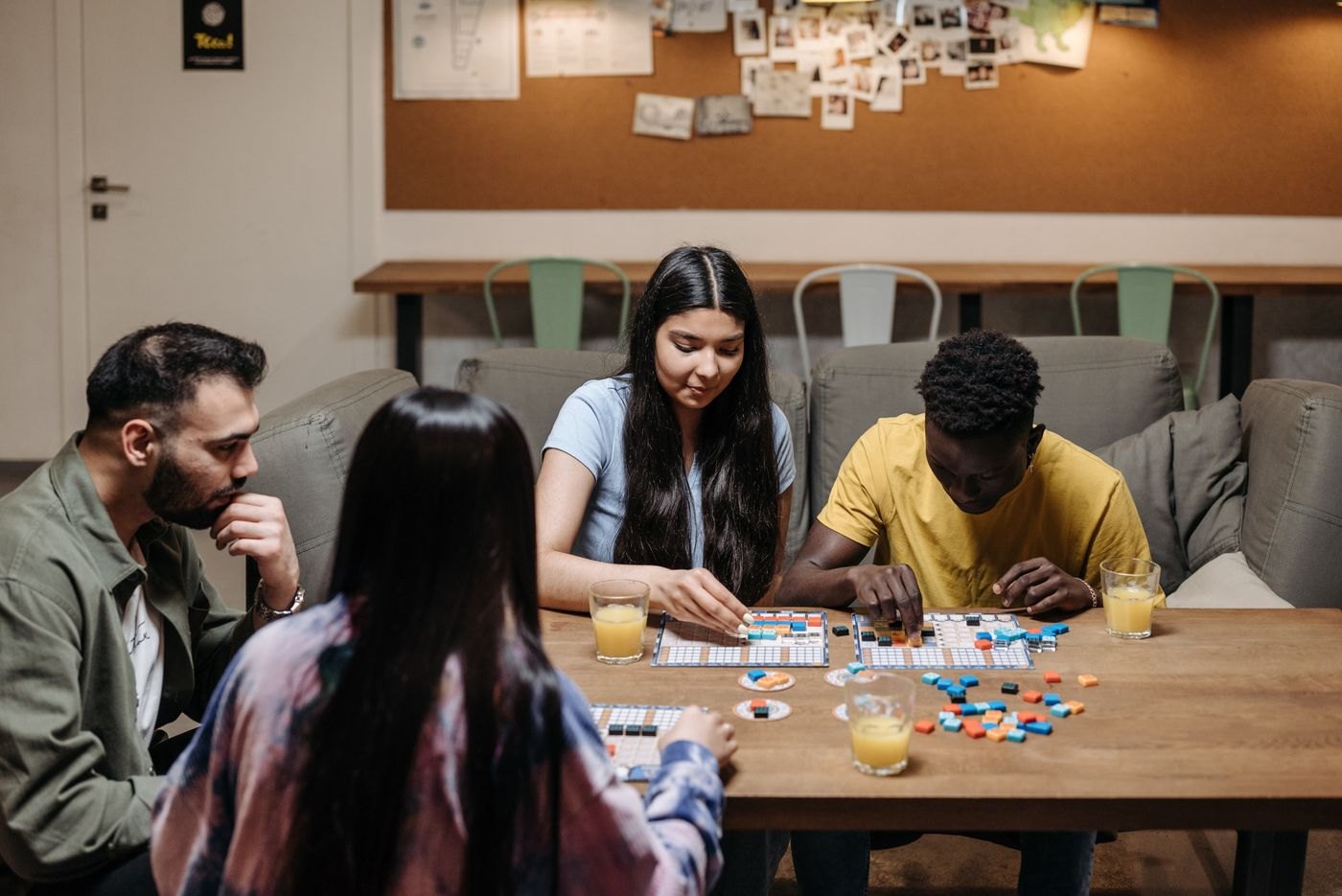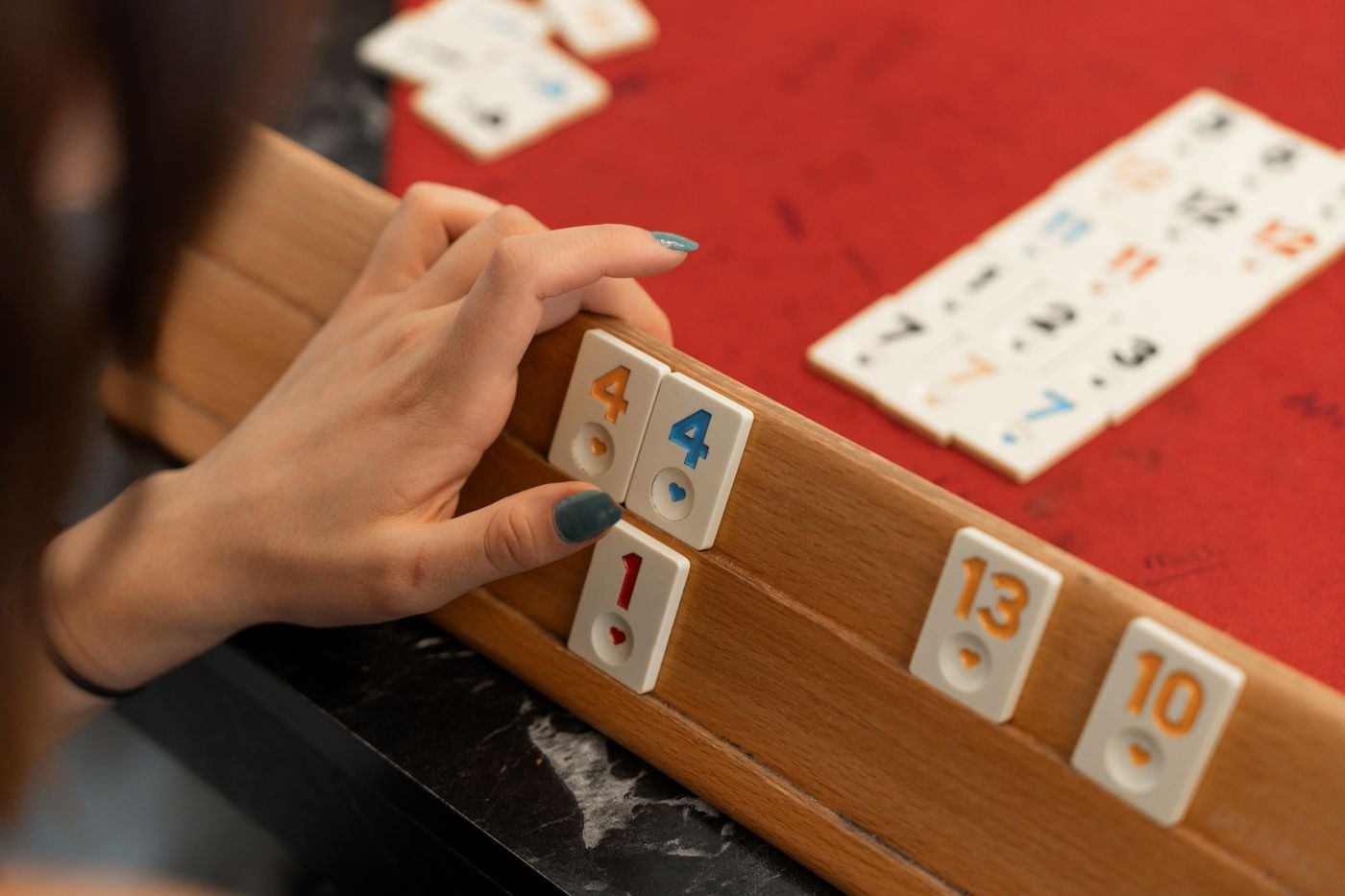
Notice whether randomness comes before or after the choice
When a game reveals options before you choose, uncertainty creates a problem to solve. You might draw several resources and decide how to use them. When randomness resolves after a commitment, you choose a risk and then discover its outcome. Both structures can be enjoyable, but they ask for different tolerances.
Imagine choosing where to place a die after rolling it, compared with choosing a target and then rolling to see whether the attempt succeeds. The first emphasises adaptation to known results; the second includes the possibility that a sound plan fails. Read the actual action sequence rather than judging the game by the presence of dice alone.
Look for ways to manage the result
Players may spend resources to reroll, change a value, draw extra cards or take a safer alternative. Check the cost and timing of those options. A reroll available only before seeing the result is a different tool from one used afterward. Mitigation can create decisions, but it does not necessarily remove uncertainty.
Also inspect whether bad outcomes provide anything useful. A failed attempt may grant a smaller reward, improve a later chance or simply waste the turn. The emotional effect depends partly on what remains possible afterward. Repeated empty turns can feel different from setbacks that push players toward another plan.
Consider frequency and scale
Many small random events can feel less decisive than one final draw, although no general promise follows for a particular game. Look at the size of a swing relative to the total session. Losing a minor resource early is different from having an hour of progress depend on one unmodifiable result.
Ask whether players can see the range of outcomes before committing. Known odds can support deliberate risk-taking, while an unknown deck may require learning through play. Some people enjoy discovering what could happen; others want to understand the possible consequences before choosing. Neither preference is a demand that every result be predictable.
Separate random outcomes from other players
A game without dice can still surprise you through hidden hands and opponents' choices. Conversely, a game with frequent draws can offer substantial planning. Distinguish chance generated by components from uncertainty about people. A group that dislikes unlucky rolls may still enjoy bluffing, or may find hidden information equally frustrating.
Check whether players can infer information from what has already appeared. Tracking a discard pile or remembering previous bids adds a different skill demand. Do not assume that more control always means a more relaxed evening; it can also increase the pressure to calculate and remember.
Match the role luck should play
For a mixed-experience group, some uncertainty may keep results from feeling predetermined, but it is not a guarantee of equal chances. Experienced players may also be better at managing risk. Describe the desired experience rather than promising that luck will let anyone win. A short unpredictable game can be enjoyable precisely because the result is not treated too seriously.
For players who enjoy long-term planning, inspect how often an unexpected result forces a complete rebuild. They may welcome adaptation if earlier choices still matter. The problem is often not randomness itself but a mismatch between the effort invested and the amount of control over the outcome.
Evaluate decisions separately from results
After a game, ask whether the risky choice made sense with the information available at the time. A successful gamble is not automatically a good decision, and an unlucky failure is not automatically a bad one. This distinction helps discussion stay useful instead of reducing every result to either skill or chance.
If the group consistently dislikes the uncertainty, choose a different game or a published variant that changes it. Quietly removing cards or altering probabilities can affect balance in ways that are hard to predict. Agree on the intended experience before changing the system.