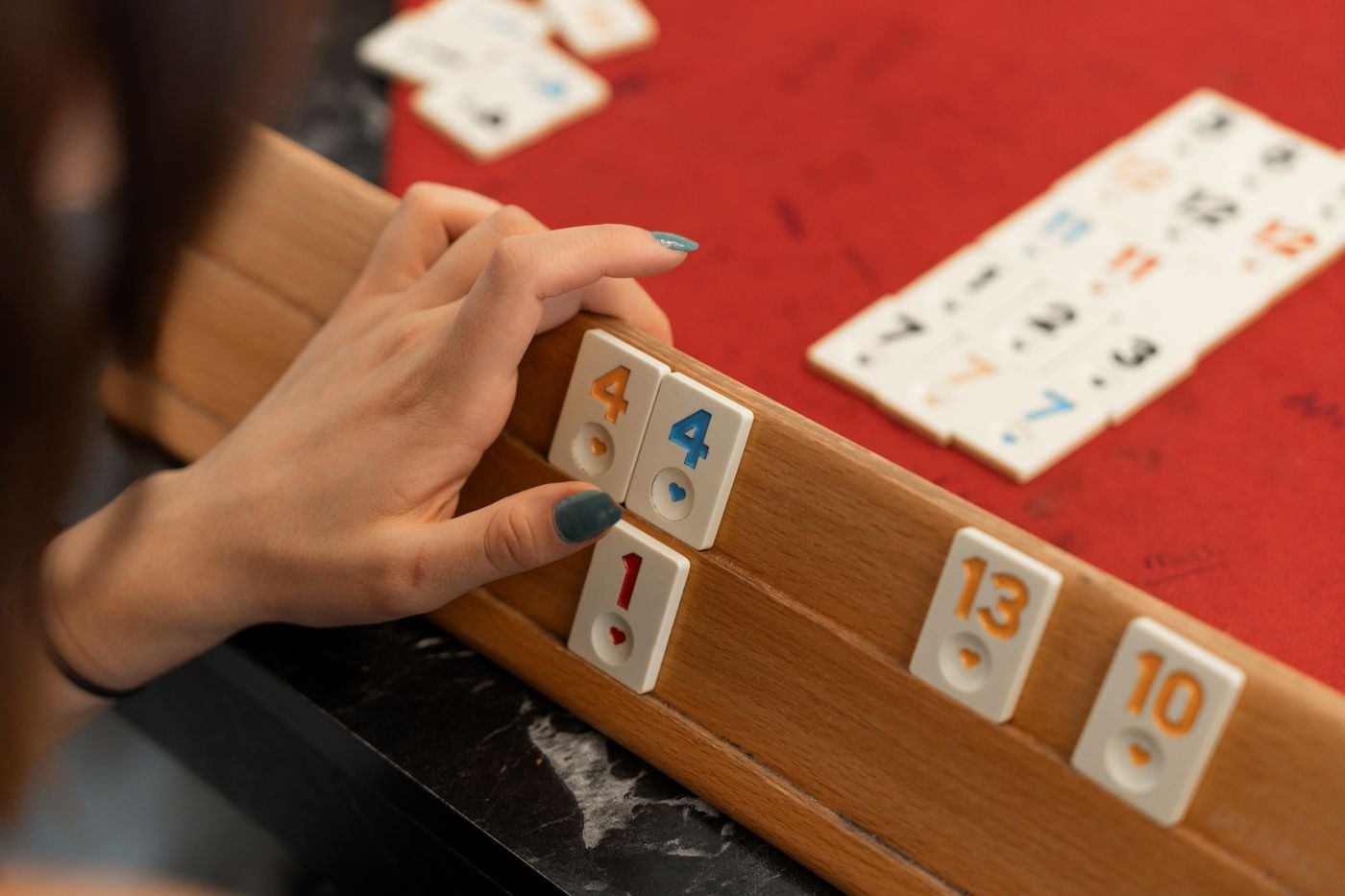
Inspect the components players read during turns
Look at sample cards, player boards and reference sheets in the publisher's materials. Distinguish descriptive flavour text from instructions that change play. A game may have a long translated rulebook but almost no component text, or a short rulebook and dozens of cards with unique effects. The second can demand more ongoing reading.
Check whether text is public or private. A public objective can be translated once for the table. A hand of secret action cards may require individual help throughout the game. If a helper sees those cards, the information structure changes. That may be acceptable in a learning session, but it needs agreement rather than an assumption.
Do not assume symbols remove the language barrier
Symbols reduce repeated text only after players know what they mean. Inspect the symbol key and count unfamiliar combinations. A compact icon can encode timing, cost and exception in a way that takes several sentences to explain. Make sure each player can consult a readable reference without interrupting another person's turn.
Check whether symbols are paired with shapes or labels and whether the components are large enough to distinguish. A player should not have to learn an icon system while also struggling to see it. A game described as language-independent may still require a substantial initial explanation in a language the group shares.
Consider spoken language demands
Negotiation, wordplay and rapid clue-giving rely on more than reading. Idioms, cultural references and vocabulary speed can affect participation. A person who comfortably discusses ordinary rules may not enjoy improvising clues against a timer. Ask the players what kind of speaking feels enjoyable rather than inferring ability from casual conversation.
For conversation-heavy games, look at whether meaning must be exact. A rule that restricts specific words may be harder to interpret across languages. Agree on the allowed language and how translation questions will be handled before starting. Do not wait until a disputed clue determines the result.
Check the edition you intend to buy
Confirm which languages are included on the actual components, not just which rulebook downloads exist. An English rules PDF does not turn another-language deck into an English deck. Retail listings can combine photographs from several editions, so use the publisher's product details or ask the seller to confirm the exact item.
If considering translated inserts or replacement labels, check that they match the edition and remain readable during play. They should not obscure information or make particular cards recognisable from the back. Avoid relying on an improvised translation for wording that determines an important rule without verifying the meaning.
Prepare the first session for shared understanding
Teach the core terms consistently and leave a simple bilingual vocabulary note if the group finds it helpful. Demonstrate an ordinary action with components instead of explaining entirely through speech. Give players time to read at their own pace, particularly before a simultaneous decision.
Ask players to describe the available options rather than testing their vocabulary. A person can understand the choice without pronouncing a technical term fluently. Keep clarification welcome throughout the game and avoid treating translation pauses as mistakes. The goal is for everyone to make their own decisions with the same relevant information.
When translations are needed, keep the original wording accessible beside the translated explanation. A disputed term can then be checked against the exact card instead of passing through several paraphrases. This is particularly useful for optional actions, quantities and timing words, where a small translation difference can change the result.