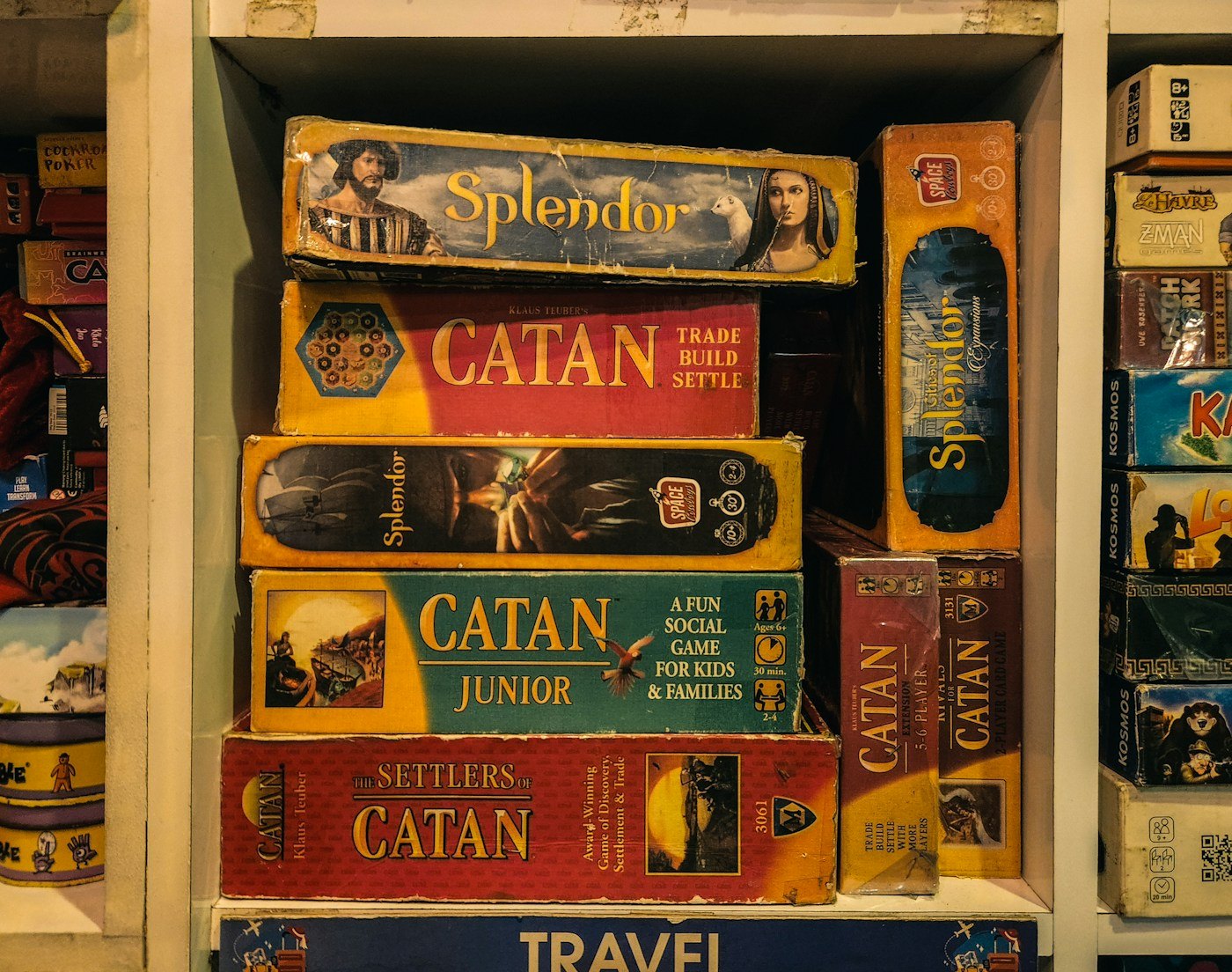
Identify the product precisely
Record the publisher, edition wording, language and product code where available. Compare those details with the publisher's current or archived product information. A retailer may use a generic photograph for several printings, so ask for a photograph of the actual box when a difference affects your decision.
Distinguish a new printing from a revised edition. A printing can correct errors or alter production details without replacing the whole rules system. A revised edition may change substantially more. Do not assume either label guarantees a particular improvement; look for a description of the actual changes.
Compare the contents that affect play
Check player count, rules, scenarios, card text and included expansions. A box described as complete may mean complete for that edition rather than containing every product ever released. Read the component list instead of treating a marketing subtitle as an inventory.
Consider accessibility and usability. Larger text, revised iconography or a clearer board may matter more to your group than decorative upgrades. Conversely, a visually different edition may retain the same difficult layout. Inspect representative components, not only the cover or miniatures.
Check compatibility with what you own
If adding an expansion, confirm that it supports the exact base edition. Different card backs, sizes or rules can complicate mixing. Mechanical compatibility and visual compatibility are separate questions, especially when cards must remain indistinguishable in a hidden deck.
Sleeves and organisers may also be edition-specific. Do not assume an insert designed for one box will fit another printing with changed dimensions. Measure your copy and read the accessory maker's compatibility details before buying. Small manufacturing differences can matter when compartments are tightly sized.
Use the correct rules references
When comparing reviews or learning videos, note which version they discuss. A criticism of an older rule may no longer apply, while an explanation of a new feature may confuse owners of an earlier copy. Keep the rules document that matches the product you actually have.
If buying used, ask whether replacement components or mixed-edition cards have been added. A useful modification should be described clearly so you can assess its effect. An incomplete older edition is not equivalent to a complete newer one merely because the seller lists the same title.
If a seller cannot confirm the version, treat that as unresolved information rather than choosing whichever photograph supports the purchase. You can still decide to accept the uncertainty, but do so knowing which compatibility or content questions remain open. A lower price is not a substitute for identifying the product.