Learn the costs and reset
Identify how many points you receive, when they refresh and whether unused points carry over. Some games have a fixed allowance; others change it through cards, conditions or player powers. A point left unspent may disappear at the end of the turn, but that does not automatically make a poor action worthwhile.
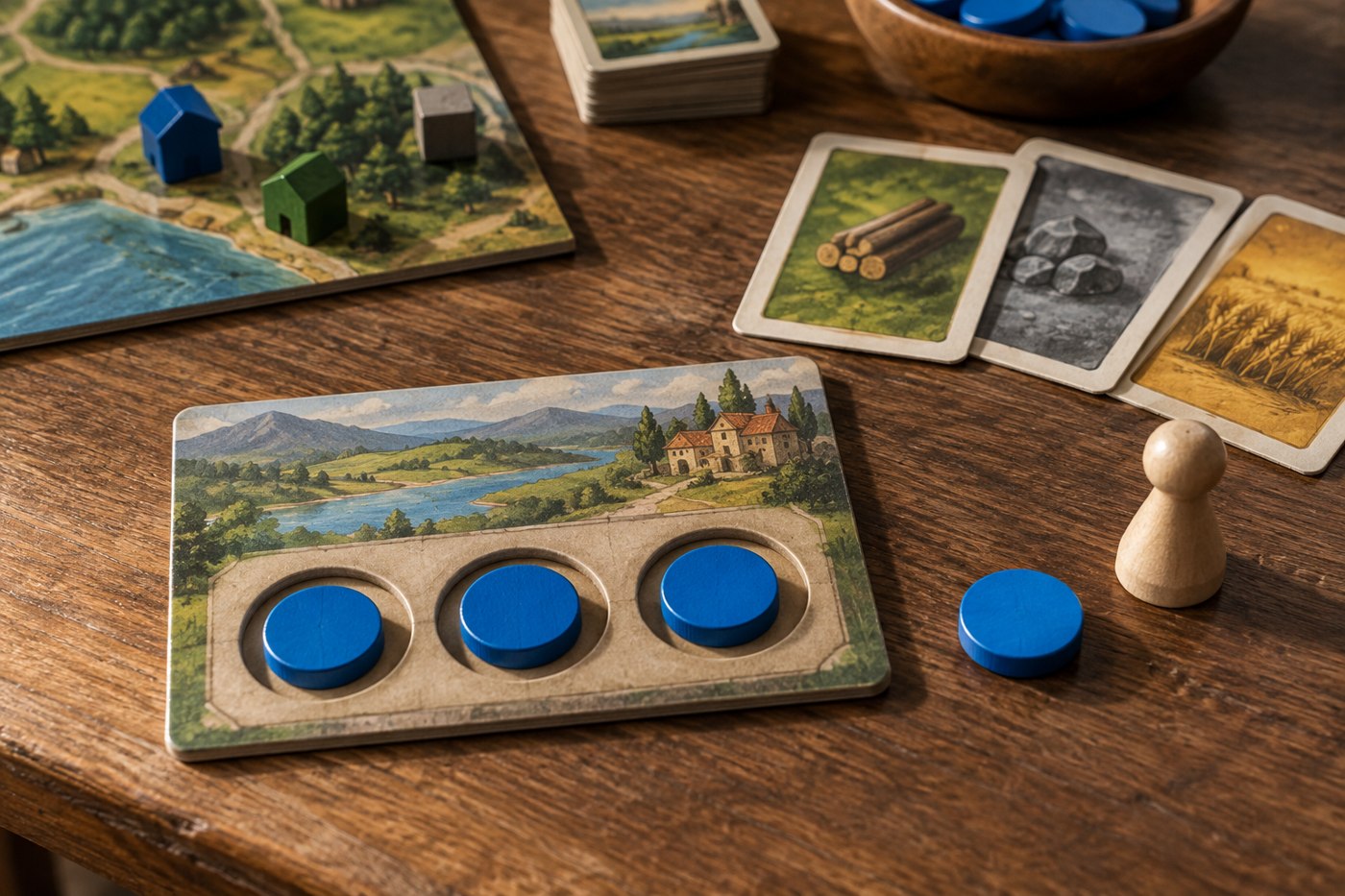
Read the cost of each action carefully. Moving one space may cost a point, while attacking, drawing or interacting may have a different price. Special terrain or repeated actions can alter those costs. Keep the current allowance visible using the game's track or another permitted aid.
Plan the complete sequence
Suppose an illustrative turn gives you four points. Reaching a location costs two, collecting an item costs one and returning to safety costs two. The full plan costs five, even though each individual step is legal. You must change the route, delay the return or choose a different objective.
Count any required final step before committing. Paying to reach a place is unhelpful if you cannot afford to interact there and the position becomes dangerous before your next turn. Conversely, arriving now can be useful preparation if the location will remain available and the next turn's budget can finish the job.
Compare outcomes rather than action counts
Four cheap actions are not necessarily better than one expensive action. Judge the position they create. A costly move that secures a decisive objective may be worth more than several minor improvements. The action-point system measures permission to act, not the strategic value of each point spent.
Discounts and free actions can reshape a sequence, but confirm what they apply to. A free move may still trigger a terrain effect, and a discounted action may not become free if the rules specify a minimum cost. Read exceptions before relying on an exact total.
Keep track as you resolve
Announce the action and its cost, then adjust the remaining-point marker. Resolve its effects before beginning the next action. This prevents a complicated turn from ending in an argument over whether the third move was paid for.
If new information appears after an early step, reconsider the remaining budget. Your original plan is not a commitment to continue unless the rules make it one. A revealed obstacle or card may make a different use of the remaining points better. Do not reverse the earlier action after seeing that information unless the rules allow it.
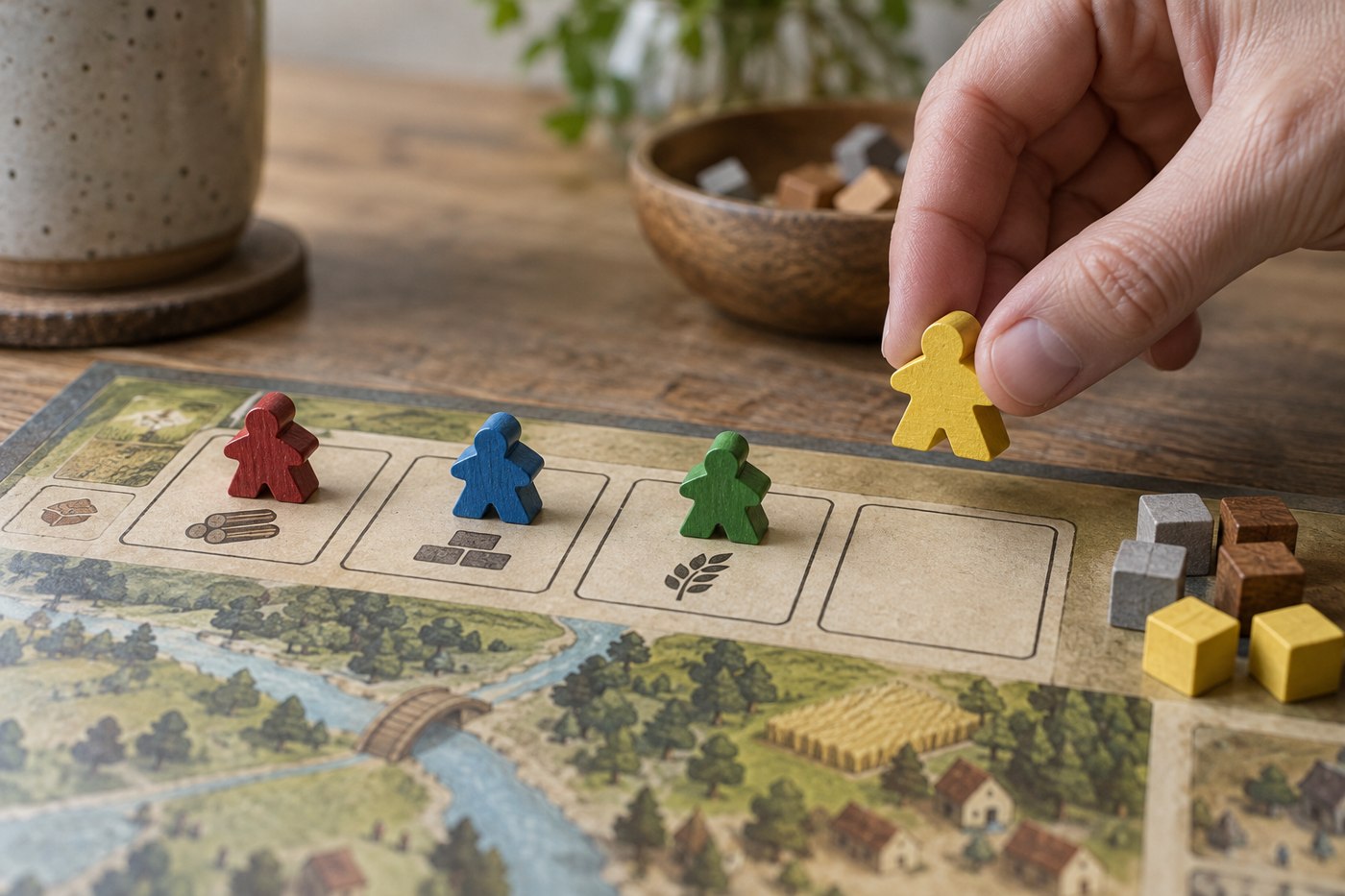
For a learning round, temporarily count with visible tokens if the rules allow it. Move one token for each point spent, then restore the allowance at the proper reset. Stop using the aid if it conceals a resource or interaction that is meant to remain public.
Leave a useful next turn
Ask what the position will look like when opponents or automated effects have acted. Spending every point to advance can leave no protection, while stopping slightly earlier may preserve flexibility. The right choice depends on the consequences, not on a rule that unused points are always wasteful.
At the end, perform any mandatory cleanup and reset the allowance only at the correct time. If a condition reduces next turn's points, record it visibly. A clear count lets the table focus on planning instead of reconstructing a sequence of small payments.