Start with the space each player uses
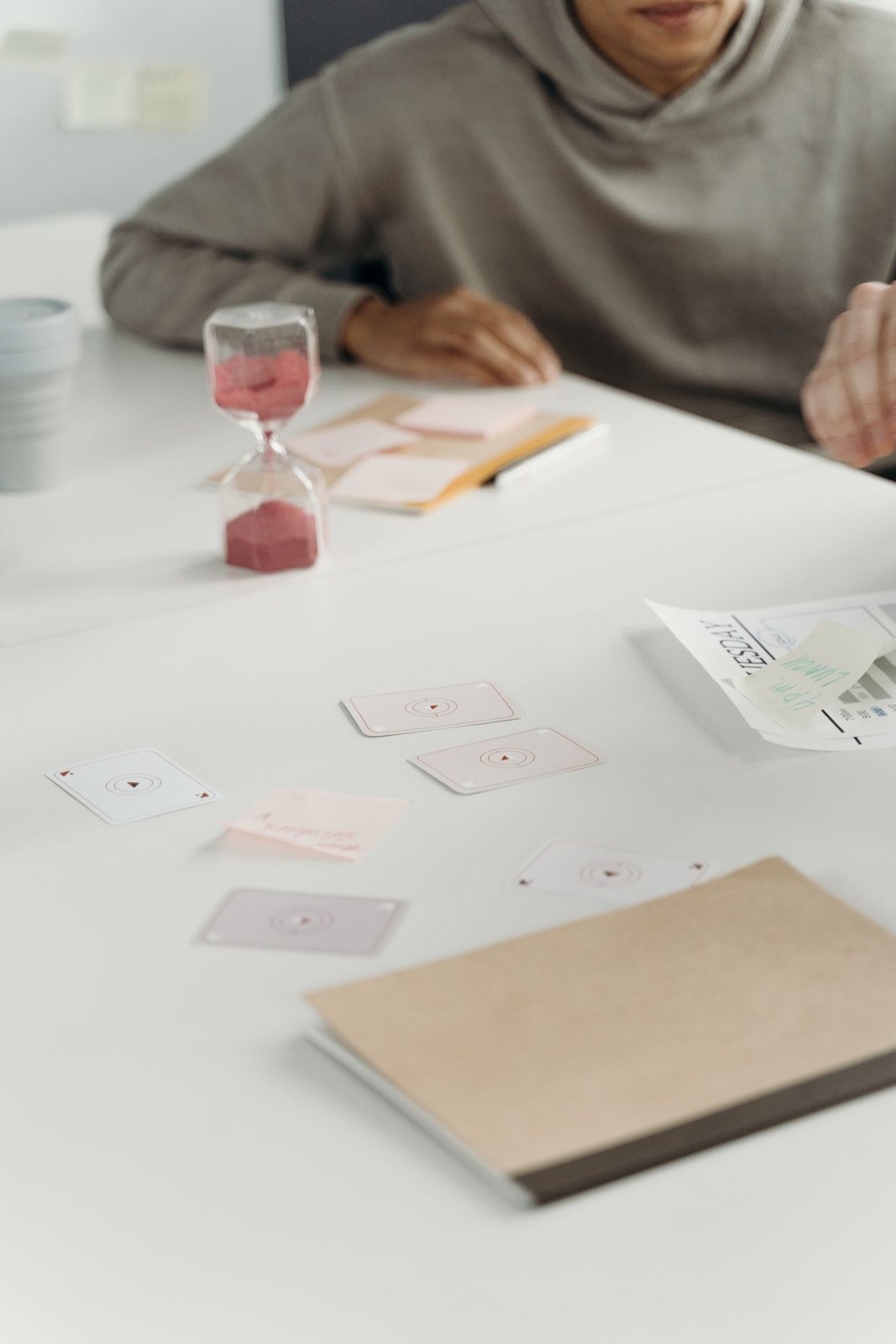
Lay out one complete player area before committing to the central board. Include the hand or card rack, personal supply, played cards and any area that grows during play. A setup that fits at the beginning may crowd neighbouring players once their tableaus expand. Leave room for elbows as well as cardboard.
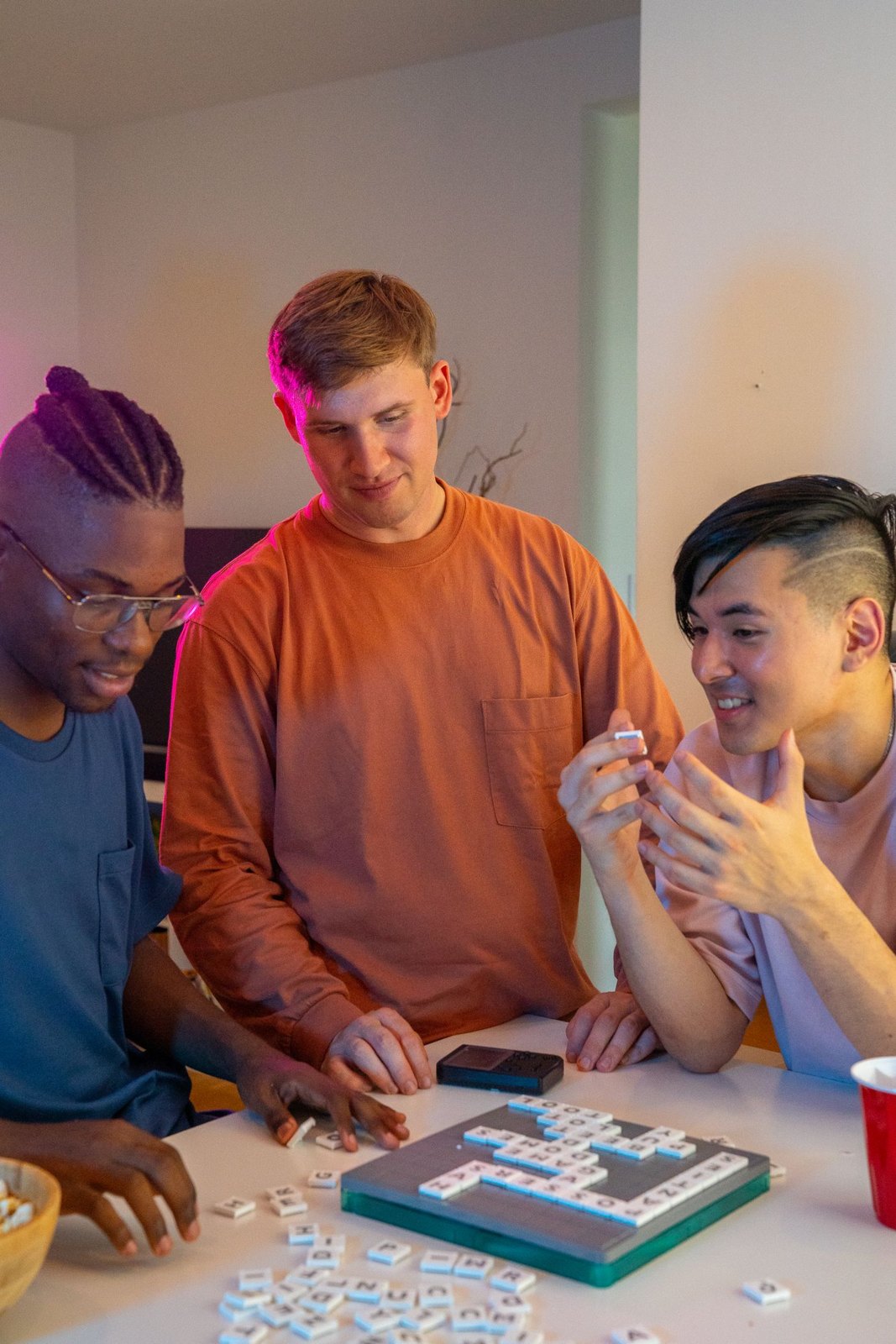
Ask about reach, seating and reading needs without assuming a particular seat is suitable for someone. A player may prefer a certain side because of lighting, mobility or how they use their dominant hand. Make these adjustments while the table is clear, when moving a chair does not require reconstructing the whole board.
Keep shared information genuinely shared
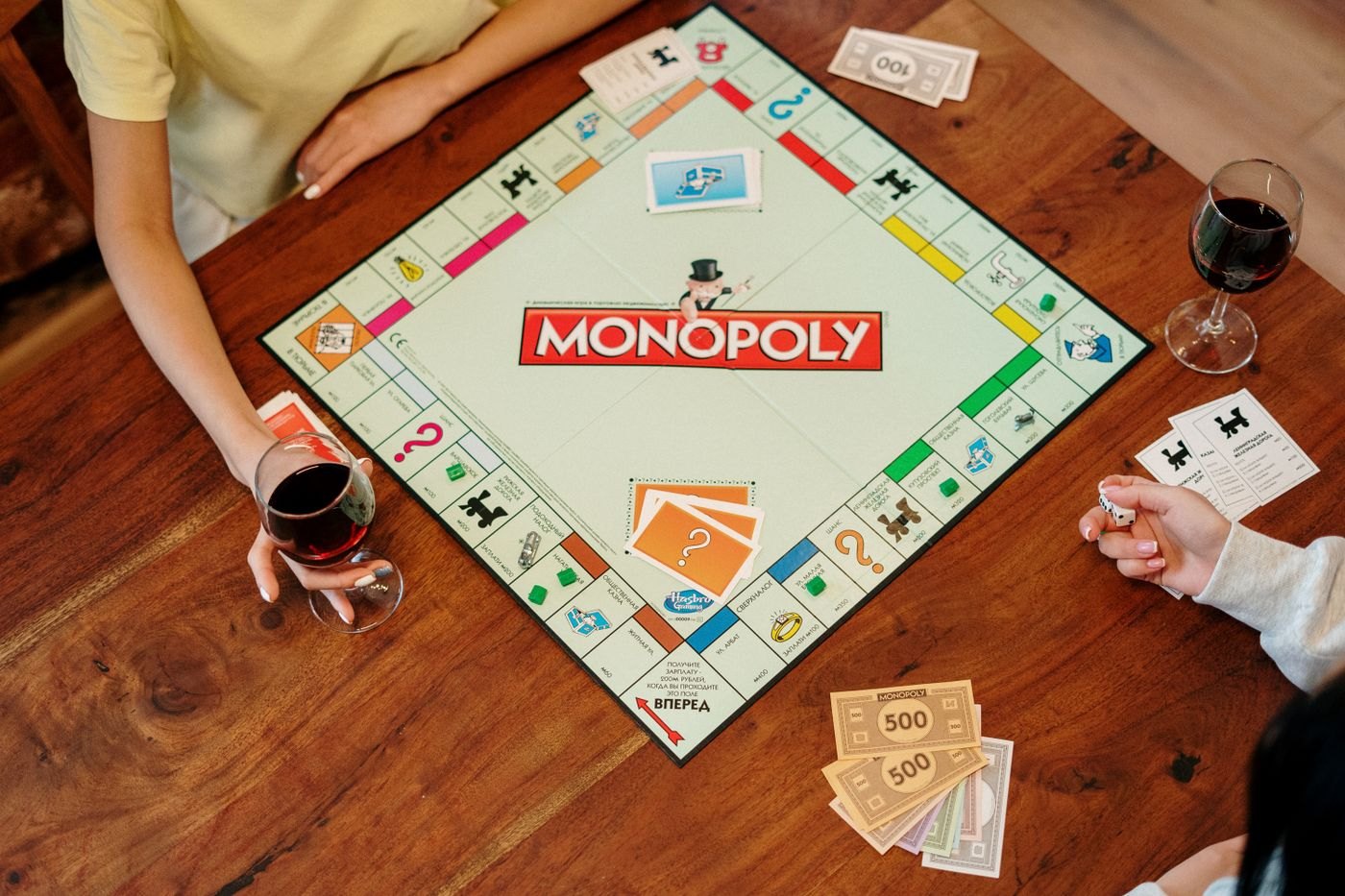
Place the most frequently consulted board where everybody has a usable view. Tiny text on a market row at one end can make the opposite seat a disadvantage. If the rules permit, put reference material beside the distant player or move the shared display to a more central position. Do not change the order of a display whose position has game meaning.
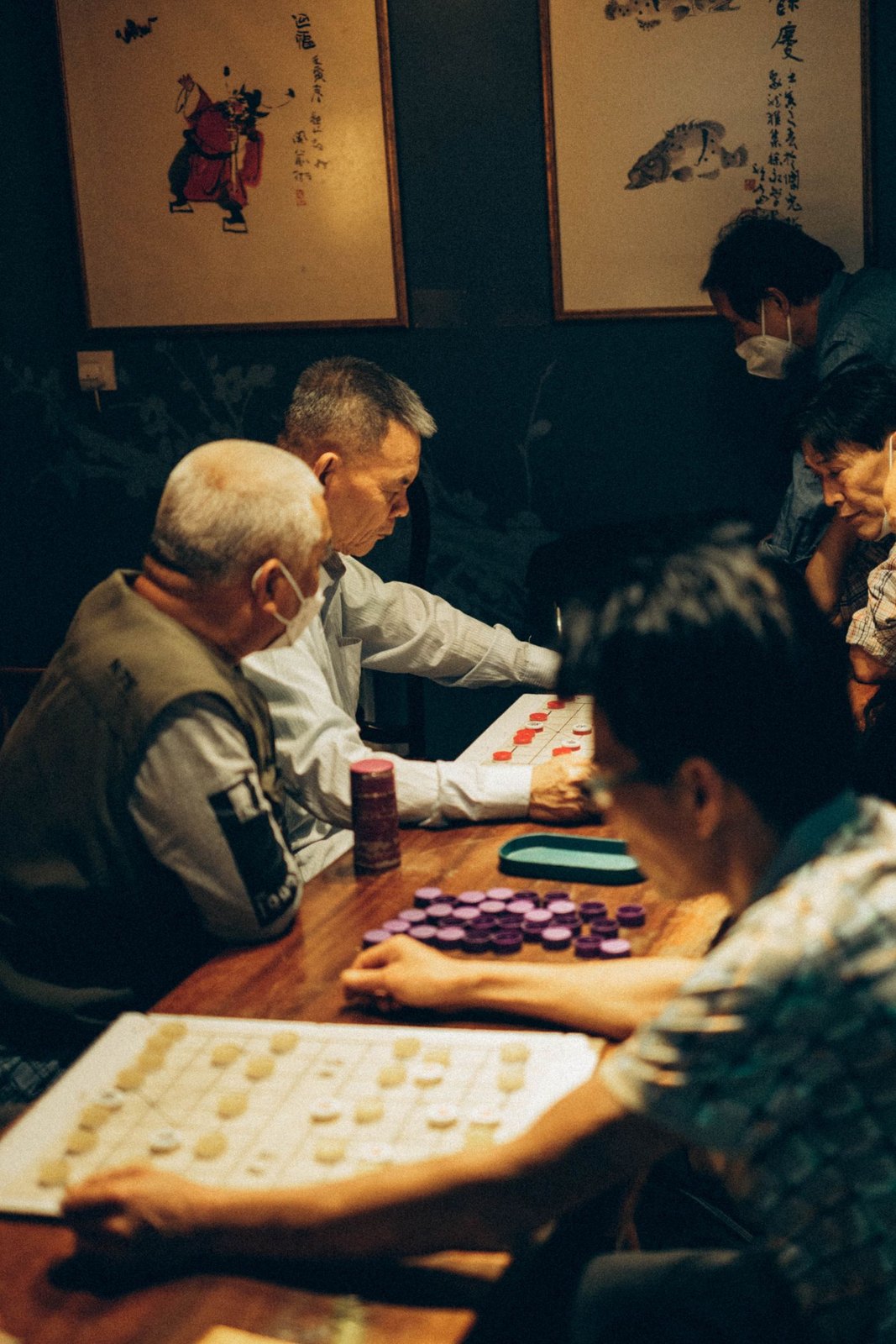
Check whether neighbours matter. Some games define interaction by the players immediately to your left and right, so moving seats after setup may change relationships in the game. Team games may also prescribe arrangements. Read that part of setup before choosing seats solely for convenience.
Protect private areas
A seat at the corner may expose a hand to a neighbour looking toward the board. Give players enough room to hold cards comfortably and avoid placing spectators directly behind hidden information. If someone uses a card holder, check its angle from the other seats rather than assuming it conceals everything.
Keep personal discards and communal piles visually distinct. A card played close to the boundary between two player areas can create confusion over ownership. Small gaps often communicate the layout better than extra labels, provided the game does not require pieces to touch or align.
Make movement possible
Leave a route for people to get up without shifting occupied chairs or leaning over the board. Guests will need breaks and access to drinks. An apparently efficient arrangement that traps someone against a wall becomes awkward during a long session.
Finally, reach for the common supplies from each seat. Move frequently used pieces within reasonable access or assign a willing player to pass them on request. Assistance should be predictable and comfortable, not a reason for somebody to avoid an action because asking for the components feels disruptive.
A seat should also have somewhere to put a bag or coat without blocking that route. Clear these belongings before play; moving them later can disturb low tables or catch a chair leg.