Check each seat with a card in hand
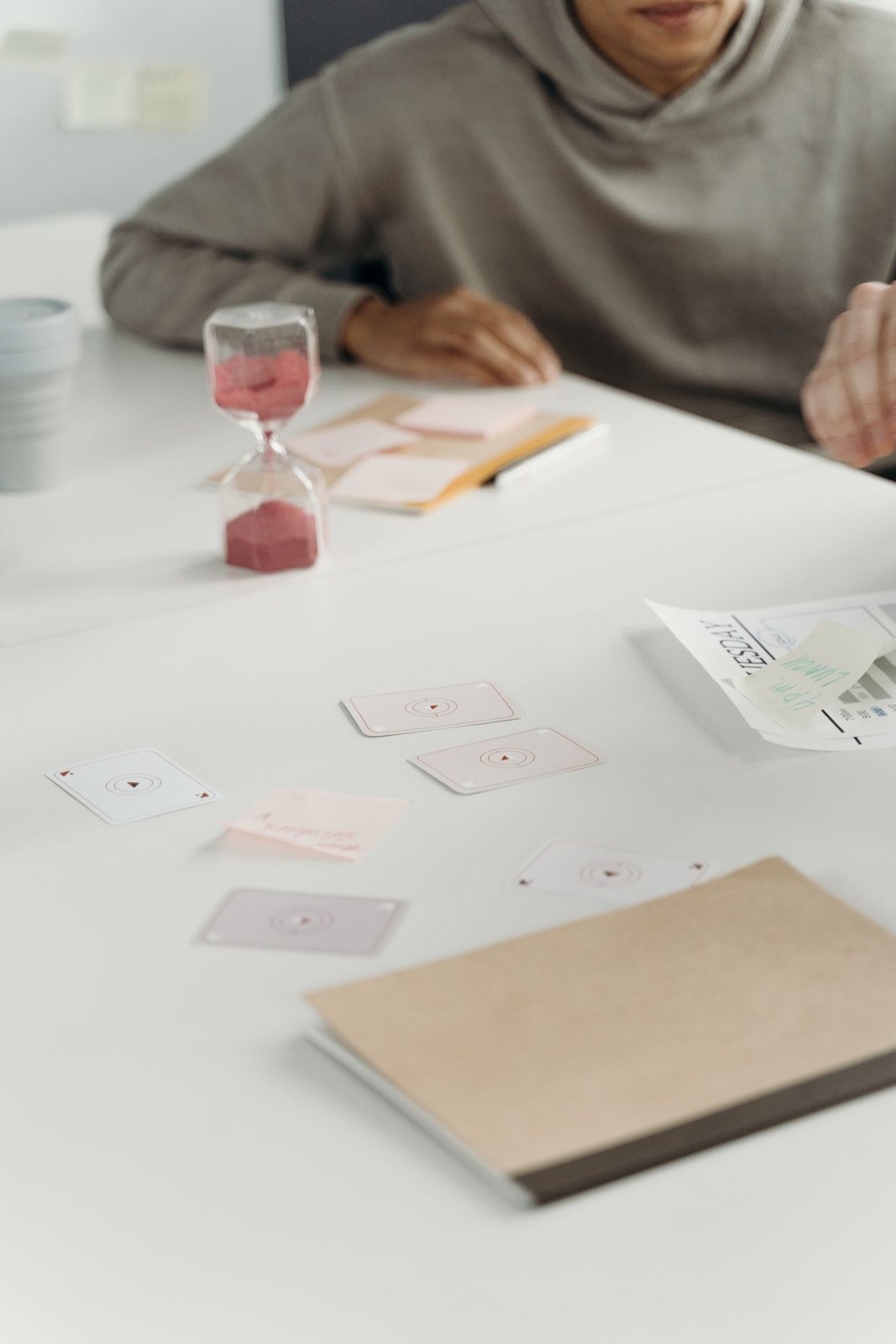
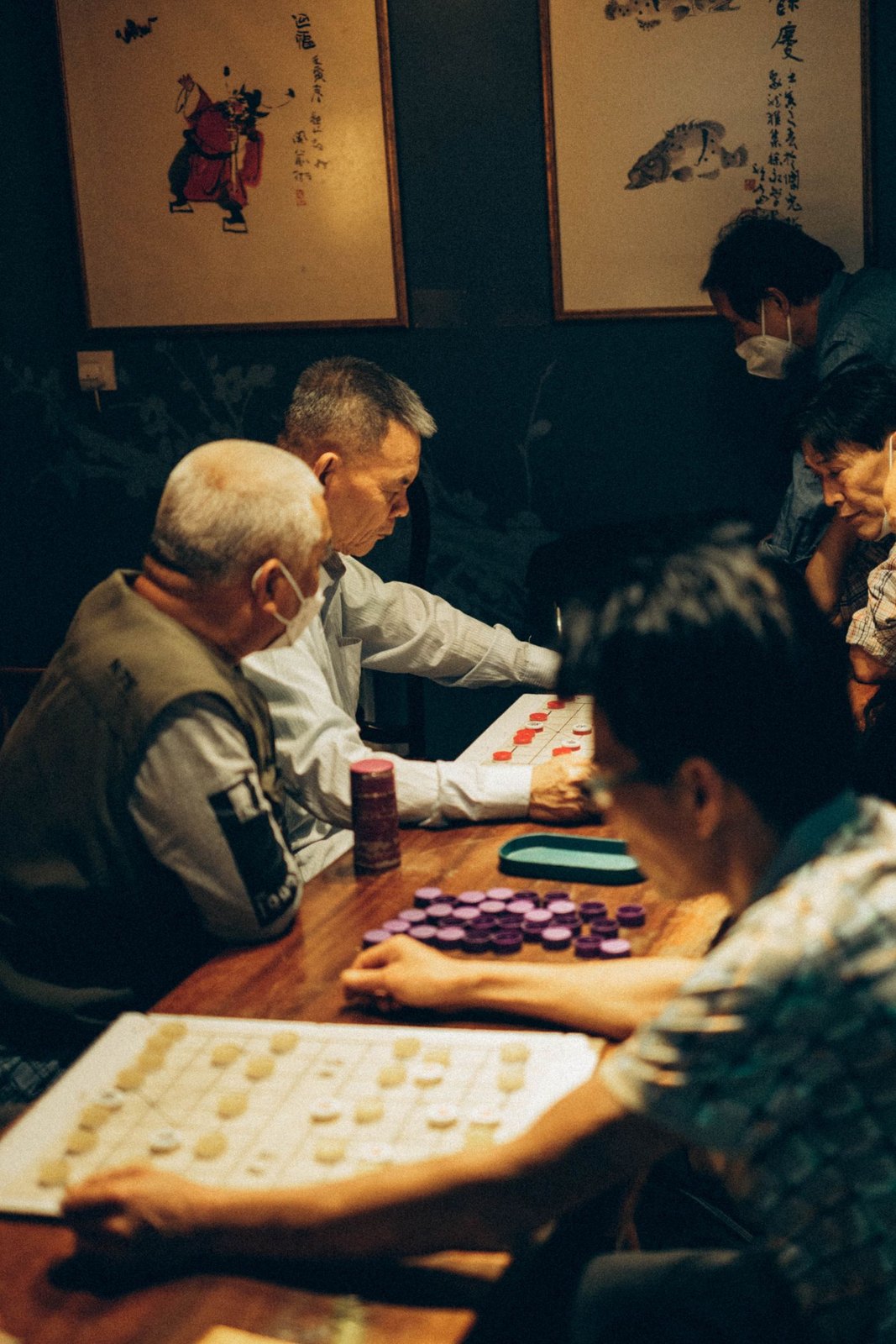
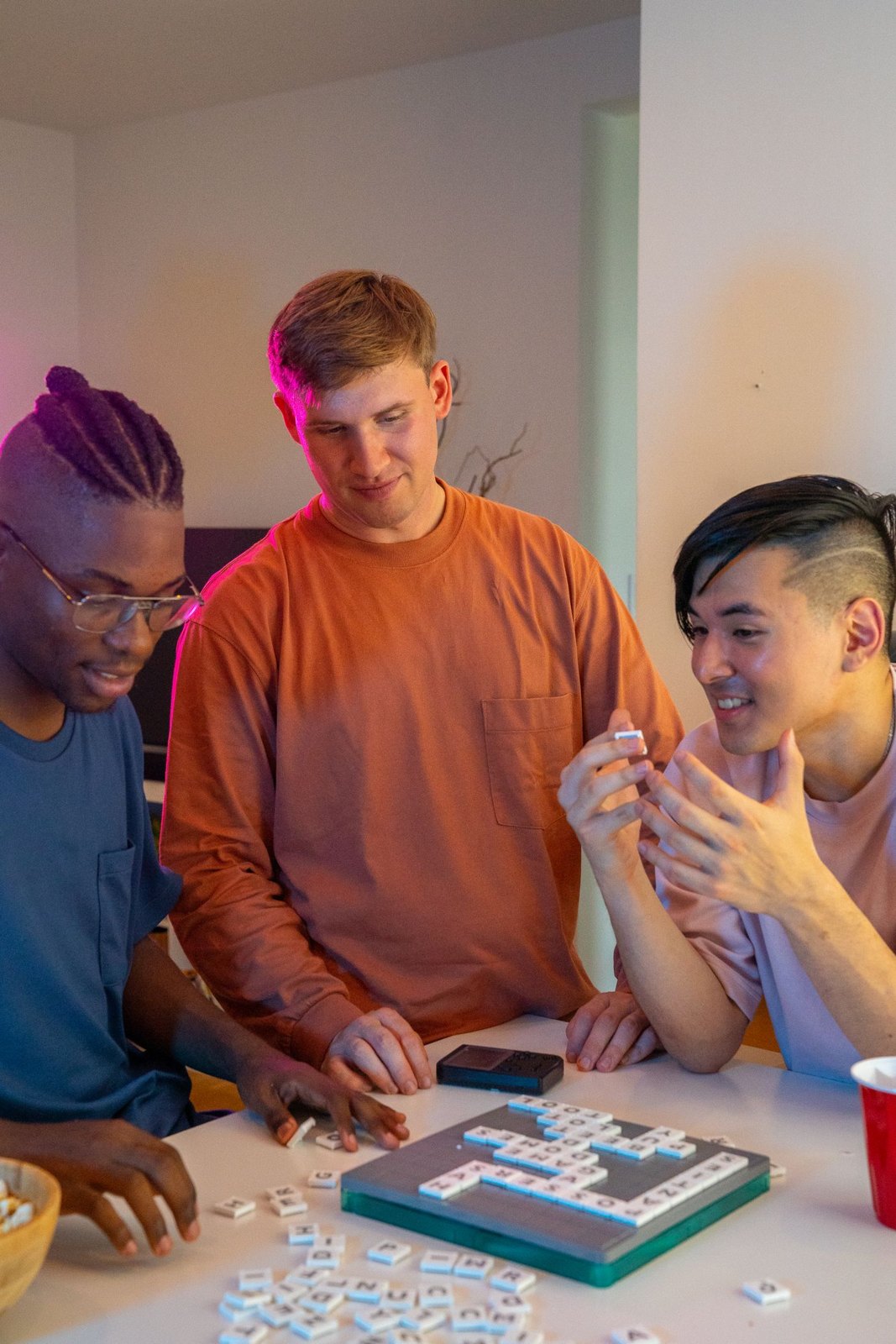
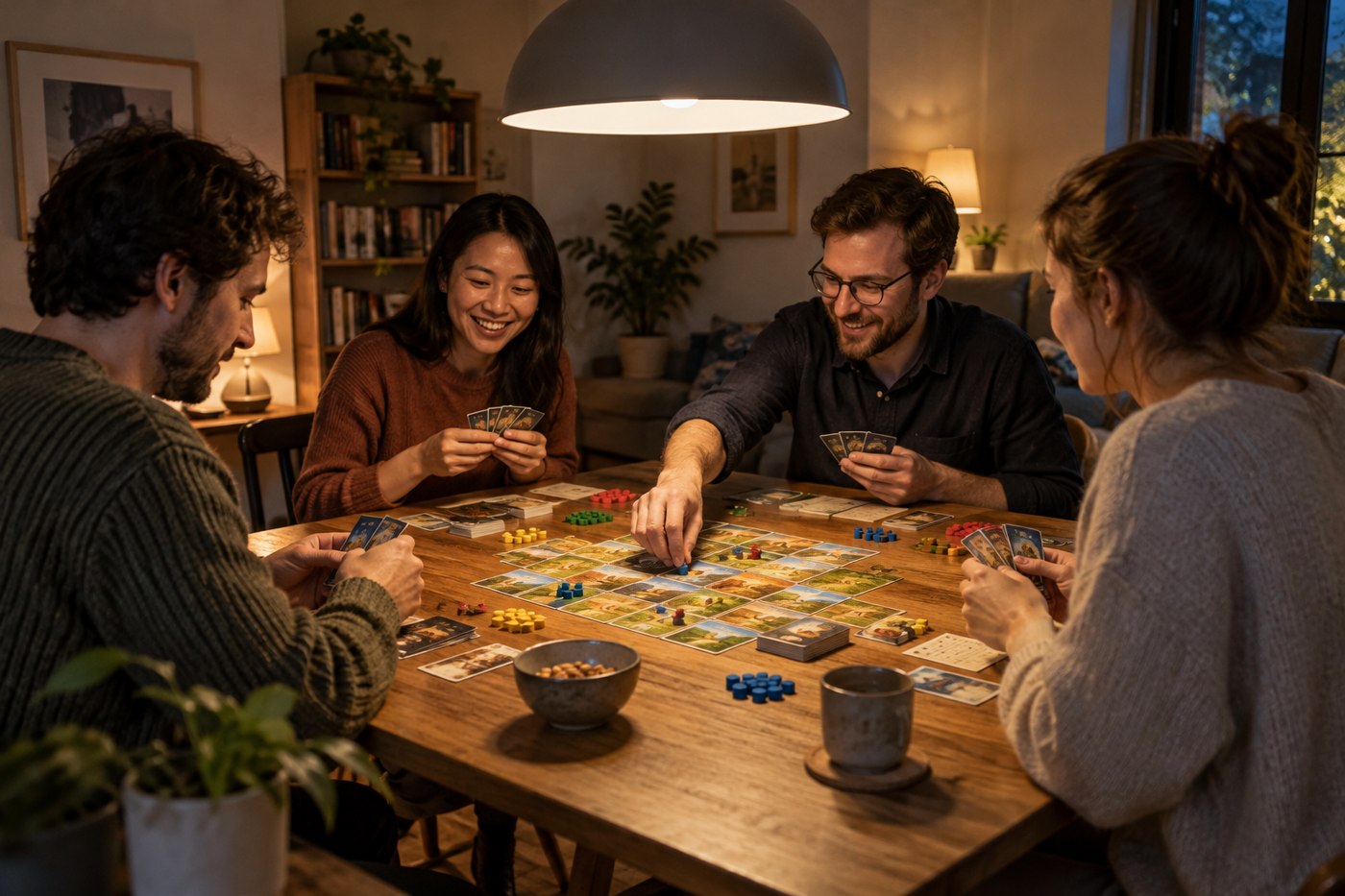
Place a player board, a few cards and small tokens where they will be used. Sit at every side of the table and look for text hidden by your own shadow. A central ceiling light can illuminate the board well while leaving a hand of cards dark. Ask guests whether the arrangement works for them; reading comfort varies.
Check both upright cards and flat ones. A glossy card may be clear when held but unreadable under a reflection on the table. Rotate the card or adjust the light's angle rather than assuming the print is too small. Keep public information oriented so it is readable without lifting another player's components.
Spread light without creating glare
A nearby lamp can fill a dark corner, but a bare bright bulb at eye level may make matters worse. Aim light across the playing area from a stable position outside normal reaching space. Avoid putting a lamp where it blocks someone's view of the board or forces them to reach around a hot fixture.
Use the lamp and bulb according to their instructions, and keep cables away from walking routes. Do not improvise a shade with paper or fabric. If you cannot improve a particular seat safely, rotate the table layout or use a different room rather than crowding extra equipment between players.
Retest after the room changes
Daylight that works at setup may disappear halfway through the evening. Switch on the lighting you will need later before deciding where everyone sits. Close or adjust blinds if low sunlight reflects off sleeves or makes one side of the table difficult to see.
For games with small symbols, leave references close to each player and allow time to inspect unfamiliar cards. Better light helps, but it cannot fix every print or colour distinction. A comfortable seat with a readable reference is often more useful than simply making the whole room brighter.